Women’s health extends far beyond proper nutrition and regular exercise. Mental well-being, reproductive health, hormonal balance, and preventive healthcare all play essential roles in living a healthy and fulfilling life.
Throughout different stages of life, women experience natural hormonal changes that can affect mood, energy, fertility, menstrual cycles, and overall health. Understanding these changes and taking proactive steps to care for your body can help prevent health problems and improve your quality of life.
Equally important is looking after your emotional well-being. Managing stress, maintaining healthy relationships, and seeking preventive medical care can help you stay healthier both physically and mentally.
This guide explores practical ways to support your mental health, reproductive wellness, hormonal balance, and long-term health through preventive care and healthy daily habits.

Mental & Emotional Health
Mental and emotional well-being is just as important as physical health. Looking after your mind helps you cope with life’s challenges, improves relationships, supports better decision-making, and contributes to overall wellness.
1. Prioritize Your Mental Health
Mental health affects every aspect of daily life, including work, relationships, sleep, and physical health. Conditions such as anxiety, depression, and chronic stress can impact your overall well-being if left un-managed.
Healthy ways to support your mental health include:
- Getting enough quality sleep
- Exercising regularly
- Eating a balanced diet
- Staying connected with supportive family and friends
- Practicing gratitude
- Spending time outdoors
- Seeking professional support when needed
Remember that asking for help is a sign of strength. If emotional challenges persist or interfere with your daily life, consider speaking with a qualified mental health professional.
2. Learn to Manage Stress
Stress is a normal part of life, but long-term stress can negatively affect your heart, immune system, digestion, sleep, and hormone balance.
Developing healthy coping strategies can improve both your mental and physical health.
Simple ways to manage stress include:
- Deep breathing exercises
- Meditation
- Yoga
- Journaling
- Listening to relaxing music
- Spending time in nature
- Reading a book
- Practicing mindfulness
Even setting aside 10 to 15 minutes each day for relaxation can help reduce stress and improve emotional well-being.
3. Build Healthy Relationships
Healthy relationships provide emotional support, reduce stress, and contribute to greater happiness and self-confidence.
Strong relationships are built on:
- Trust
- Respect
- Honest communication
- Mutual support
- Healthy boundaries
Surround yourself with people who encourage your personal growth and well-being. If a relationship consistently causes emotional distress or harm, consider seeking guidance from trusted family members, friends, or a qualified counselor.
4. Keep Your Brain Active
Keeping your brain engaged helps support memory, concentration, creativity, and lifelong learning. Mental stimulation may also help maintain cognitive function as you age.
Ways to keep your mind active include:
- Reading books regularly
- Learning a new language
- Solving puzzles or Sudoku
- Taking online courses
- Learning a musical instrument
- Playing strategy games
- Trying a new hobby
Just like your body benefits from exercise, your brain benefits from regular mental challenges and continuous learning.
Reproductive & Hormonal Healt
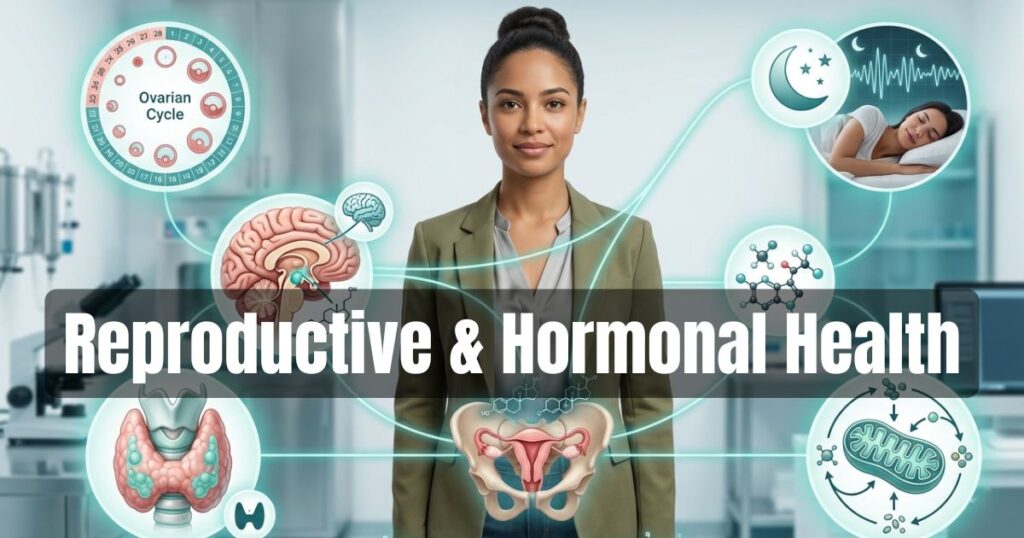
Reproductive and hormonal health are important parts of a woman’s overall well-being. Understanding your body’s natural changes allows you to recognize potential concerns early and seek appropriate medical care when needed.
5. Understand Your Menstrual Cycle
Your menstrual cycle provides valuable insight into your reproductive health. Tracking your cycle can help you understand your body’s normal patterns and identify changes that may require medical attention.
Tracking your cycle can help you:
- Predict upcoming periods
- Monitor ovulation
- Recognize irregular cycles
- Understand recurring symptoms
- Share accurate information with your healthcare provider
Consult a healthcare professional if you experience very heavy bleeding, severe menstrual pain, missed periods when not pregnant, frequent irregular cycles, or bleeding between periods.
6. Prioritize Reproductive Health
Reproductive health is an essential part of a woman’s overall well-being. Taking care of your reproductive system through regular medical checkups, healthy lifestyle choices, and early attention to symptoms can help prevent health problems and support future fertility.
Healthy reproductive practices include:
- Scheduling regular gynecological checkups
- Practicing safe sex
- Discussing family planning with your healthcare provider
- Seeking medical advice for persistent pelvic pain or unusual symptoms
- Maintaining good intimate hygiene
Being proactive about your reproductive health allows potential concerns to be identified and treated early, helping you maintain better long-term health.
7. Monitor Your Hormonal Health
Hormones control many important functions in the body, including metabolism, mood, sleep, menstrual cycles, fertility, and energy levels. Even small hormonal changes can affect your physical and emotional well-being.
Common signs of a hormonal imbalance may include:
- Irregular periods
- Acne
- Mood swings
- Persistent fatigue
- Hair thinning or excessive hair growth
- Unexplained weight changes
Supporting healthy hormone function starts with simple daily habits such as eating a balanced diet, exercising regularly, managing stress, and getting enough quality sleep.
If symptoms continue or become severe, consult a healthcare professional for proper evaluation and treatment.
8. Practice Breast Self-Awareness
Being familiar with how your breasts normally look and feel can help you notice changes early. Although most breast changes are not cancer, any unusual change should be evaluated by a healthcare provider.
Be aware of changes such as:
- New lumps or thickened areas
- Changes in breast size or shape
- Skin dimpling or redness
- Persistent breast pain
- Nipple discharge, especially if it is bloody
- New nipple inversion or other noticeable changes
Routine breast cancer screening should follow your healthcare provider’s recommendations based on your age, family history, and individual risk factors.
Preventive Healthcare
Preventive healthcare helps protect your long-term health by identifying potential problems before symptoms develop. Regular medical checkups, healthy habits, and paying attention to your body’s signals can reduce the risk of chronic diseases and improve overall well-being.
9. Strengthen Your Pelvic Floor
Your pelvic floor muscles support the bladder, uterus, and bowel. These muscles may weaken due to pregnancy, childbirth, aging, or certain medical conditions.
A healthy pelvic floor can help:
- Improve bladder control
- Support pelvic organs
- Enhance recovery after childbirth
- Reduce the risk of pelvic organ prolapse
You can support pelvic floor health by:
- Performing pelvic floor (Kegel) exercises if recommended by your healthcare provider
- Maintaining a healthy weight
- Avoiding chronic constipation
- Lifting heavy objects correctly
- Staying physically active
If you experience urinary leakage, pelvic pain, or a feeling of pressure in your pelvis, consult a healthcare professional.
10. Schedule Regular Health Checkups
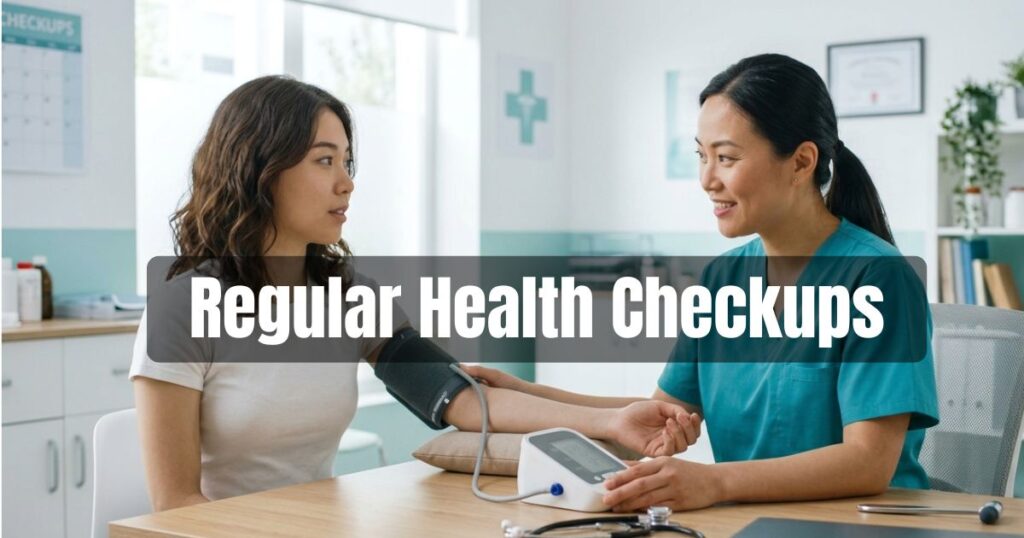
Routine health checkups are one of the best ways to detect health conditions early, often before symptoms appear. Preventive care allows healthcare providers to monitor your overall health and recommend timely treatment when necessary.
Depending on your age and medical history, regular checkups may include:
- Blood pressure monitoring
- Blood sugar testing
- Cholesterol screening
- Thyroid evaluation
- Dental examinations
- Eye examinations
- General physical examinations
Keeping up with recommended screenings can help reduce the risk of serious health complications and support lifelong wellness.
11. Stay Up to Date with Vaccinations
Vaccinations are one of the most effective ways to protect yourself from preventable diseases. They help strengthen your immune system and reduce the risk of serious infections throughout every stage of life.
Depending on your age, health condition, and local health recommendations, your healthcare provider may advise vaccines such as:
- Influenza (flu)
- COVID-19
- Tetanus booster
- Human Papillomavirus (HPV)
- Hepatitis B
- Shingles (for older adults)
Speak with your healthcare provider to determine which vaccinations are appropriate for your individual needs.
12. Practice Good Personal Hygiene
Good personal hygiene plays an important role in preventing infections and maintaining overall health. Simple daily habits can protect you from illness and support your well-being.
Healthy hygiene practices include:
- Washing your hands regularly
- Brushing and flossing your teeth every day
- Bathing regularly
- Wearing clean clothing
- Practicing proper menstrual hygiene
- Keeping intimate areas clean while avoiding harsh or scented products
Making these habits part of your daily routine can contribute to better health and reduce the risk of infections.
13. Avoid Smoking and Limit Alcohol
Smoking and excessive alcohol consumption can negatively affect nearly every organ in the body. They increase the risk of heart disease, stroke, liver disease, infertility, osteoporosis, and several types of cancer.
To protect your health:
- Avoid all tobacco products.
- If you drink alcohol, do so in moderation according to local health guidelines.
- Seek professional support if you need help quitting smoking.
Making healthier lifestyle choices today can significantly improve your long-term health and quality of life.
14. Listen to Your Body
Your body often gives early warning signs when something isn’t right. Paying attention to these changes and seeking medical advice promptly can lead to earlier diagnosis and more effective treatment.
Consult a healthcare professional if you notice:
- Persistent fatigue
- Unexplained weight changes
- Heavy or irregular menstrual bleeding
- Severe or ongoing pain
- New lumps or swelling
- Persistent digestive problems
- Shortness of breath
Never ignore symptoms that persist or worsen over time. Early medical care is an important part of preventive healthcare.
15. Make Your Health a Lifelong Priority
Good health is built through consistent daily habits rather than occasional efforts. Every positive choice you make contributes to your long-term physical, mental, and emotional well-being.
Simple habits that support lifelong health include:
- Eating a balanced diet
- Staying physically active
- Drinking enough water
- Getting 7–9 hours of quality sleep
- Managing stress effectively
- Attending regular health checkups
- Caring for your mental and reproductive health
Remember that progress matters more than perfection. Small, sustainable lifestyle changes can lead to lasting health benefits.
Conclusion
Women’s health involves caring for your body, mind, and emotional well-being throughout every stage of life. By understanding your menstrual cycle, maintaining hormonal balance, prioritizing mental wellness, and staying up to date with preventive healthcare, you can reduce health risks and improve your overall quality of life.
Healthy living doesn’t require drastic changes. Simple habits—such as managing stress, attending regular health checkups, practicing good hygiene, and listening to your body’s signals—can make a meaningful difference over time.
Take charge of your health by making informed choices, seeking medical advice when needed, and building healthy habits that support lifelong wellness.
Frequently Asked Questions (FAQs)
1. How can women improve their reproductive health?
Women can support reproductive health by scheduling regular gynecological checkups, practicing safe sex, maintaining good intimate hygiene, following a healthy lifestyle, and seeking medical advice for unusual symptoms.
2. What are common signs of hormonal imbalance?
Common symptoms include irregular periods, acne, mood swings, persistent fatigue, unexplained weight changes, hair thinning, or excessive hair growth. If these symptoms continue, consult a healthcare professional for evaluation.
3. Why are regular health checkups important?
Routine checkups help detect conditions such as high blood pressure, diabetes, thyroid disorders, and certain cancers before symptoms appear. Early detection often leads to more effective treatment and better long-term health.
4. How can women support their mental well-being?
Supporting mental health involves getting enough sleep, exercising regularly, eating a nutritious diet, managing stress, maintaining healthy relationships, practicing mindfulness, and seeking professional support when needed.
5. When should women seek medical advice?
Women should consult a healthcare professional if they experience persistent fatigue, severe pain, heavy or irregular bleeding, breast changes, pelvic pain, unexplained weight changes, or any symptoms that are unusual or do not improve.
Continue Reading
A healthy lifestyle begins with proper nutrition, regular exercise, quality sleep, and healthy daily habits. Read our Women’s Health Tips: Nutrition, Fitness & Healthy Lifestyle Guide to learn how these foundational habits can improve your overall well-being.
https://bit.ly/44EsHcC: Women’s Reproductive Health, Mental Wellness & Preventive Care GuideReferences
References
- World Health Organization (WHO). Sexual and Reproductive Health. https://www.who.int/health-topics/sexual-health
- Office on Women’s Health (U.S. Department of Health & Human Services). Women’s Health Topics. https://www.womenshealth.gov/
- American College of Obstetricians and Gynecologists (ACOG). Patient Education. https://www.acog.org/womens-health
- National Institutes of Health (NIH) – Office of Research on Women’s Health. Women’s Health. https://orwh.od.nih.gov/
- National Institute of Mental Health (NIMH). Caring for Your Mental Health. https://www.nimh.nih.gov/health/topics/caring-for-your-mental-health
- Centers for Disease Control and Prevention (CDC). Women’s Health. https://www.cdc.gov/women/
- Mayo Clinic. Women’s Health. https://www.mayoclinic.org/healthy-lifestyle/womens-health
- United Nations Population Fund (UNFPA). Sexual and Reproductive Health. https://www.unfpa.org/sexual-reproductive-health