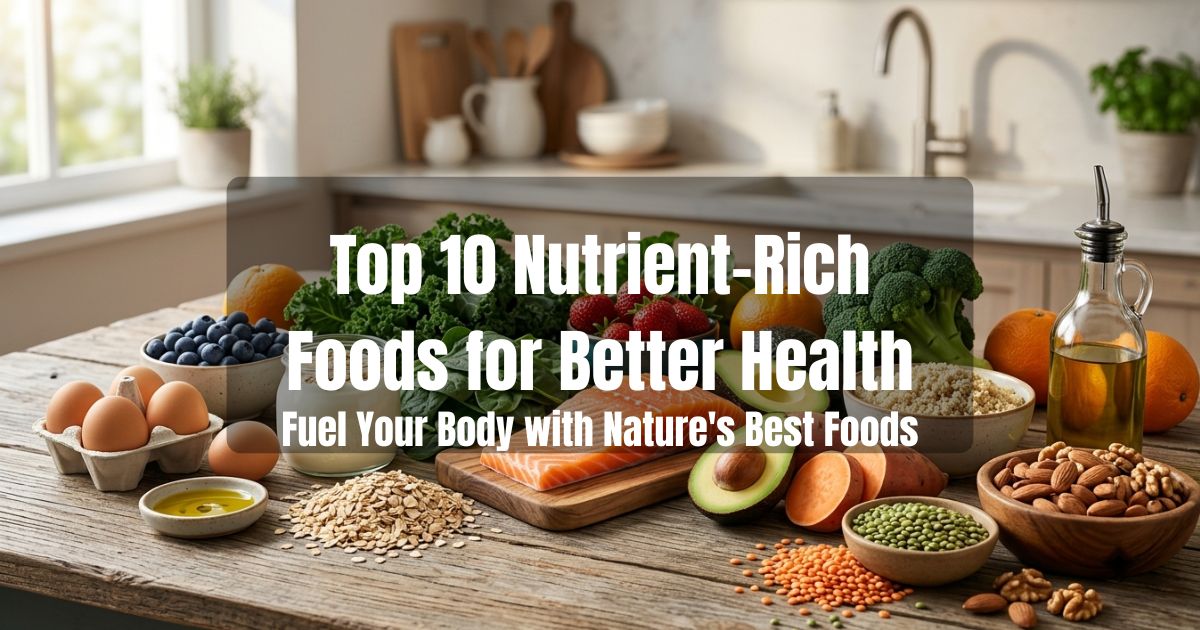
Eating the Top 10 Nutrient-Rich Foods for Better Health is one of the smartest ways to nourish your body and support long-term wellness. Nutrient-rich foods provide high amounts of vitamins, minerals, protein, healthy fats, fiber, and antioxidants while being relatively low in empty calories. Including a variety of these foods in your daily diet can help support your immune system, heart health, brain function, digestion, bone strength, and energy levels.
Although no single food can provide every nutrient your body needs, combining a wide range of whole foods creates a balanced eating pattern that supports overall health. In this guide, you’ll discover the Top 10 Nutrient-Rich Foods for Better Health, their nutritional benefits, and simple ways to enjoy them every day.
If you’re looking for nutrition tailored to different life stages, don’t miss our guide on Best Foods for Women’s Health, which highlights essential nutrients and healthy food choices for women.
https://bit.ly/3TcUZIU: Top 10 Nutrient-Rich Foods for Better Health: Fuel Your Body with Nature’s Best FoodsWhy Are Nutrient-Rich Foods Important for Better Health?
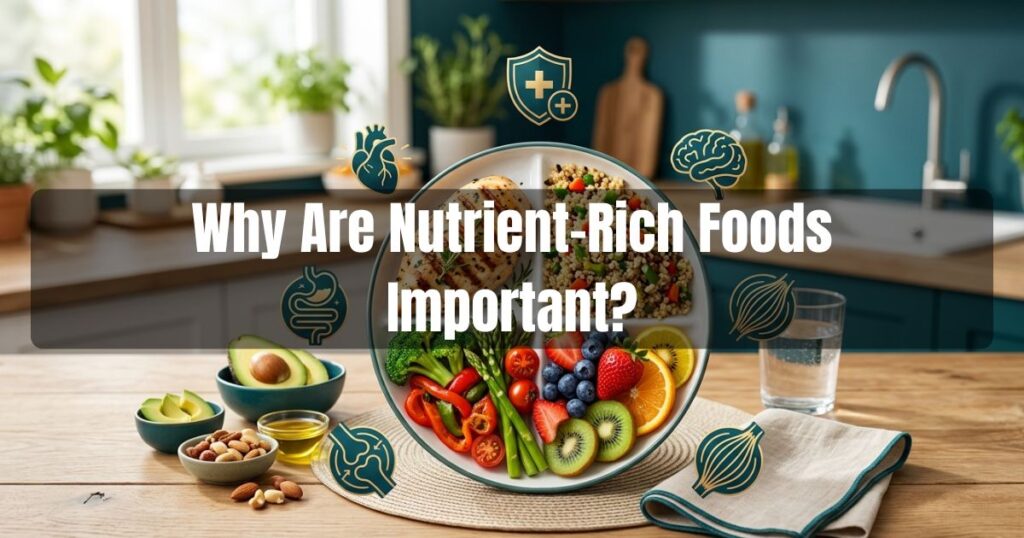
Nutrient-rich foods contain a high concentration of essential nutrients compared to their calorie content. Choosing these foods regularly helps your body function efficiently by providing the vitamins and minerals needed for growth, repair, immunity, hormone production, and healthy aging.
- A nutrient-rich diet may help:
- Support heart health
- Strengthen the immune system
- Improve digestion
- Boost energy levels
- Promote healthy skin and hair
- Maintain strong bones and muscles
- Support brain function
- Reduce the risk of certain chronic diseases
Rather than focusing only on calorie intake, prioritize foods that provide the greatest nutritional value.
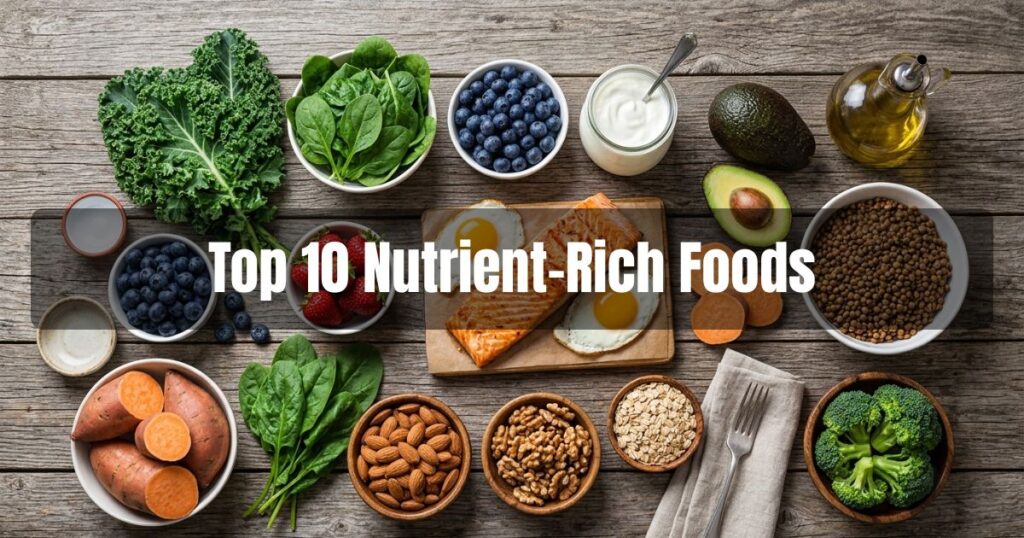
1. Salmon
Salmon is one of the most nutrient-dense foods you can eat. It is rich in high-quality protein, omega-3 fatty acids, vitamin D, vitamin B12, selenium, and potassium.
Omega-3 fatty acids are essential fats that play an important role in maintaining heart, brain, and eye health. Regularly eating fatty fish like salmon has also been associated with better cardiovascular health and overall well-being.
Key Nutrients
- Omega-3 fatty acids
- Protein
- Vitamin D
- Vitamin B12
- Selenium
- Potassium
Health Benefits
- Supports heart health
- Promotes healthy brain function
- Helps maintain healthy vision
- Supports muscle repair and growth
- Contributes to healthy bones
Easy Ways to Enjoy Salmon
- Grill with lemon and herbs.
- Bake with roasted vegetables.
- Add to salads.
- Make salmon grain bowls.
- Serve with brown rice and broccoli.
2. Kale and Other Leafy Green Vegetables
Leafy greens like kale, spinach, Swiss chard, broccoli, and collard greens are nutritional powerhouses.
They are packed with vitamins A, C, K, and folate, along with calcium, magnesium, iron, fiber, and beneficial plant compounds that help protect your cells from oxidative stress.
Key Nutrients
- Vitamin A
- Vitamin C
- Vitamin K
- Folate
- Calcium
- Magnesium
- Iron
- Fiber
Health Benefits
Leafy greens may help:
- Support strong bones
- Improve digestion
- Strengthen immunity
- Promote eye health
- Support heart health
Simple Ways to Eat More Greens
- Blend spinach into smoothies.
- Add kale to soups.
- Toss into fresh salads.
- Mix into omelets.
- Sauté with olive oil and garlic.
3. Legumes
Legumes include beans, lentils, chickpeas, peas, soybeans, and peanuts.
They are among the best plant-based sources of protein and are naturally rich in dietary fiber, complex carbohydrates, iron, magnesium, folate, and potassium.
Unlike refined carbohydrates, legumes provide slow-releasing energy and can help you stay full longer.
Key Nutrients
- Plant protein
- Fiber
- Iron
- Magnesium
- Folate
- Potassium
Health Benefits
- Supports digestive health
- Helps maintain steady blood sugar levels
- Promotes heart health
- Supports healthy weight management
- Provides lasting energy
Healthy Serving Ideas
- Lentil soup
- Chickpea salad
- Bean chili
- Hummus
- Black bean tacos
4. Eggs
Eggs are one of the most affordable and complete sources of nutrition.
They contain high-quality protein, healthy fats, vitamin D, vitamin B12, choline, selenium, iron, and antioxidants such as lutein and zeaxanthin, which help support eye health.
Key Nutrients
- Protein
- Choline
- Vitamin D
- Vitamin B12
- Selenium
- Lutein
- Zeaxanthin
Health Benefits
- Supports muscle growth
- Helps maintain healthy vision
- Promotes brain health
- Keeps you feeling satisfied
- Provides essential nutrients for overall health
Healthy Ways to Eat Eggs
- Boiled
- Poached
- Scrambled with vegetables
- Vegetable omelet
- Added to salads
5. Avocados
Avocados are unique because they contain heart-healthy monounsaturated fats along with fiber, potassium, folate, and vitamins C, E, and K.
Healthy fats also help your body absorb fat-soluble vitamins from other foods.
Key Nutrients
- Healthy fats
- Fiber
- Potassium
- Folate
- Vitamin E
- Vitamin C
Health Benefits
- Supports heart health
- Promotes healthy skin
- Helps improve satiety
- Supports healthy cholesterol levels
- Aids nutrient absorption
Healthy Serving Ideas
- Whole-grain avocado toast
- Salads
- Smoothies
- Guacamole
- Sandwiches
6. Berries
Blueberries, strawberries, raspberries, and blackberries are among the healthiest fruits you can eat.
They are naturally rich in antioxidants, vitamin C, vitamin K, fiber, and plant compounds called anthocyanins that help protect your cells from oxidative stress.
Because berries have a relatively low glycemic index, they can be part of a balanced eating pattern for many people.
Key Nutrients
- Vitamin C
- Vitamin K
- Fiber
- Antioxidants
- Manganese
Health Benefits
- Supports brain health
- Promotes heart health
- Supports healthy skin
- Helps protect cells from oxidative stress
- Boosts immunity
Easy Ways to Enjoy Berries
- Add to oatmeal.
- Mix into Greek yogurt.
- Blend into smoothies.
- Eat fresh as a snack.
- Top whole-grain pancakes.
Good point. Since you want the entire blog to stay between 1,200–1,300 words, here’s a concise Part 2 that completes the article without exceeding your target length.
7. Nuts
Nuts such as almonds, walnuts, pistachios, and cashews are rich in healthy fats, plant protein, fiber, vitamin E, and magnesium. When eaten in moderation, they make a satisfying snack that supports overall health.
Health Benefits
- Supports heart health
- Provides healthy fats
- Helps keep you full longer
- Supports brain function
- Rich in antioxidants
How to Eat: Enjoy a small handful as a snack or sprinkle chopped nuts over oatmeal, yogurt, or salads
8. Greek Yogurt
Greek yogurt is packed with protein, calcium, probiotics, and vitamin B12. It supports digestive health by providing beneficial bacteria while helping maintain strong bones and muscles.
Health Benefits
- Promotes gut health
- Supports bone strength
- High in protein
- Helps maintain muscle mass
- Keeps you satisfied between meals
How to Eat: Pair plain Greek yogurt with fresh berries, nuts, or seeds for a nutritious breakfast or snack.
9. Sweet Potatoes
Sweet potatoes are rich in beta-carotene, vitamin C, fiber, and potassium. They provide slow-releasing carbohydrates that help sustain energy throughout the day.
Health Benefits
- Supports eye health
- Boosts immunity
- Promotes healthy digestion
- Provides lasting energy
- Supports healthy skin
How to Eat: Roast, bake, mash, or add them to soups and grain bowls.
10. Whole Grains
Whole grains like oats, quinoa, brown rice, and whole wheat retain more nutrients than refined grains. They are excellent sources of fiber, B vitamins, iron, and magnesium.
Health Benefits
- Supports digestive health
- Promotes heart health
- Provides long-lasting energy
- Helps maintain healthy cholesterol levels
- Increases daily fiber intake
How to Eat: Choose whole-grain bread, oatmeal, brown rice, or quinoa instead of refined grains whenever possible.
Simple Tips to Build a Nutrient-Rich Diet

Pairing nutrient-rich foods with healthy daily routines can make a big difference. Explore our 10 Simple Habits for Sustainable Weight Loss for realistic strategies that support long-term wellness.
https://bit.ly/4bE9onz: Top 10 Nutrient-Rich Foods for Better Health: Fuel Your Body with Nature’s Best FoodsTry these simple strategies:
- Fill half your plate with fruits and vegetables.
- Include a source of protein with every meal.
- Choose whole grains over refined grains.
- Snack on nuts, seeds, or fresh fruit.
- Stay hydrated throughout the day.
- Limit highly processed foods and sugary drinks.
- Eat a variety of colorful foods each week.
Frequently Asked Questions
What are nutrient-rich foods?
Nutrient-rich foods provide high amounts of vitamins, minerals, protein, healthy fats, and fiber relative to their calorie content. Examples include vegetables, fruits, whole grains, legumes, fish, eggs, and dairy products.
Which nutrient-rich food is the healthiest?
There isn’t a single healthiest food. A balanced diet that includes a variety of nutrient-rich foods provides the broadest range of essential nutrients.
Can nutrient-rich foods help with weight management?
Yes. Many nutrient-rich foods are high in protein and fiber, which help you feel full longer. Combined with regular physical activity, they can support healthy weight management.
How can I add more nutrient-rich foods to my diet?
Start by replacing processed foods with whole foods, adding vegetables to every meal, choosing whole grains, and including healthy protein sources like fish, eggs, beans, or Greek yogurt.
Final Thoughts
Including the Top 10 Nutrient-Rich Foods for Better Health in your daily meals is one of the simplest ways to support your overall well-being. Foods like salmon, leafy greens, legumes, eggs, avocados, berries, nuts, Greek yogurt, sweet potatoes, and whole grains provide the vitamins, minerals, healthy fats, protein, and fiber your body needs to function at its best.
Rather than relying on a single “superfood,” aim to eat a wide variety of whole, nutrient-dense foods. Combined with regular physical activity, quality sleep, and proper hydration, these healthy choices can help support your energy, heart health, immune system, and long-term wellness.
References
- World Health Organization (WHO). Healthy Diet. https://www.who.int/news-room/fact-sheets/detail/healthy-diet
- Harvard T.H. Chan School of Public Health. The Nutrition Source. https://www.hsph.harvard.edu/nutritionsource/
- U.S. Department of Agriculture (USDA). MyPlate. https://www.myplate.gov/
- National Institutes of Health (NIH). Office of Dietary Supplements. Dietary Supplement Fact Sheets. https://ods.od.nih.gov/factsheets/list-all/
- Academy of Nutrition and Dietetics. Eat Right. https://www.eatright.org/
- Centers for Disease Control and Prevention (CDC). Healthy Eating for a Healthy Weight. https://www.cdc.gov/healthy-weight-growth/
- Mayo Clinic. Nutrition and Healthy Eating. https://www.mayoclinic.org/healthy-lifestyle/nutrition-and-healthy-eating
- American Heart Association. Healthy Eating. https://www.heart.org/en/healthy-living/healthy-eating