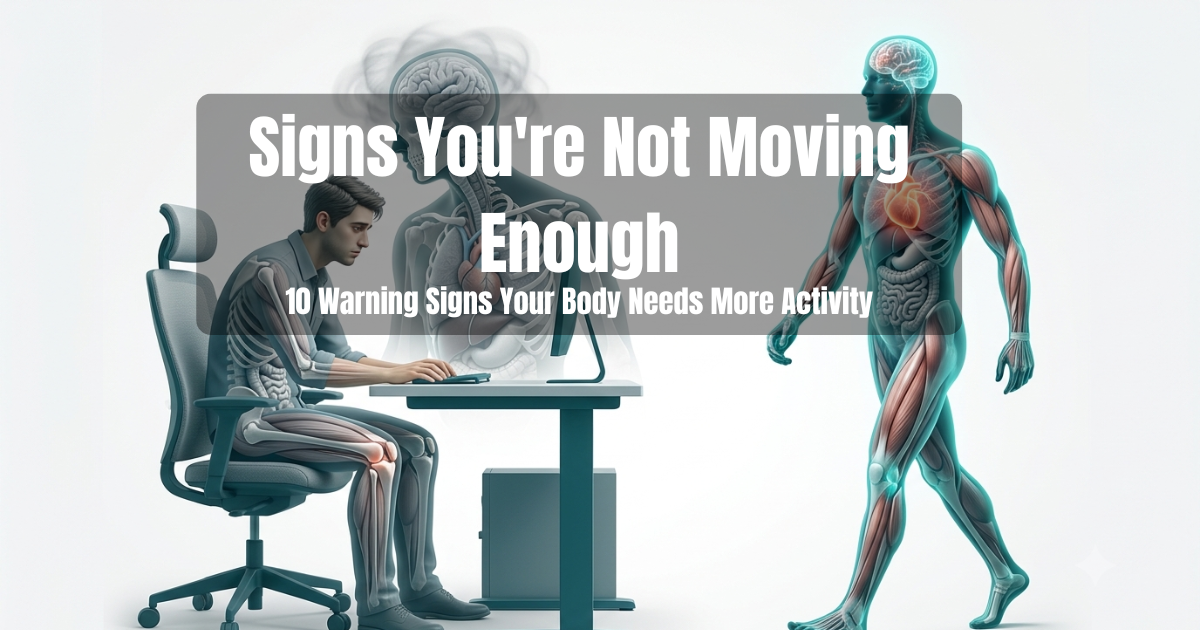
Modern technology has made life easier than ever. We can work, shop, order food, and even attend meetings without leaving our chairs. While these conveniences save time, they also reduce the amount of movement in our daily lives.
Your body is designed to move. When you spend too much time sitting or being inactive, it often sends warning signs before serious health problems develop. Recognizing these signals early can help you make small lifestyle changes that improve your overall well-being.
Here are ten common signs that you may not be moving enough and practical ways to get back on track.
1. You Constantly Feel Tired
Feeling exhausted despite getting enough sleep could be a sign that you’re not physically active. Regular movement improves blood circulation, allowing oxygen and nutrients to reach your muscles and organs more efficiently.
Being inactive can actually reduce your energy levels and make everyday tasks feel more tiring.
What you can do:
Take a 15–30 minute walk each day.
Stand up and stretch every hour.
Choose the stairs whenever possible.
2. You Struggle to Sleep Well

Difficulty falling asleep, waking up during the night, or feeling tired in the morning may be linked to a lack of physical activity.
Regular exercise helps regulate your body’s internal clock and promotes deeper, more restful sleep. However, try to avoid intense workouts right before bedtime if they keep you awake.
3. Your Muscles and Joints Feel Stiff
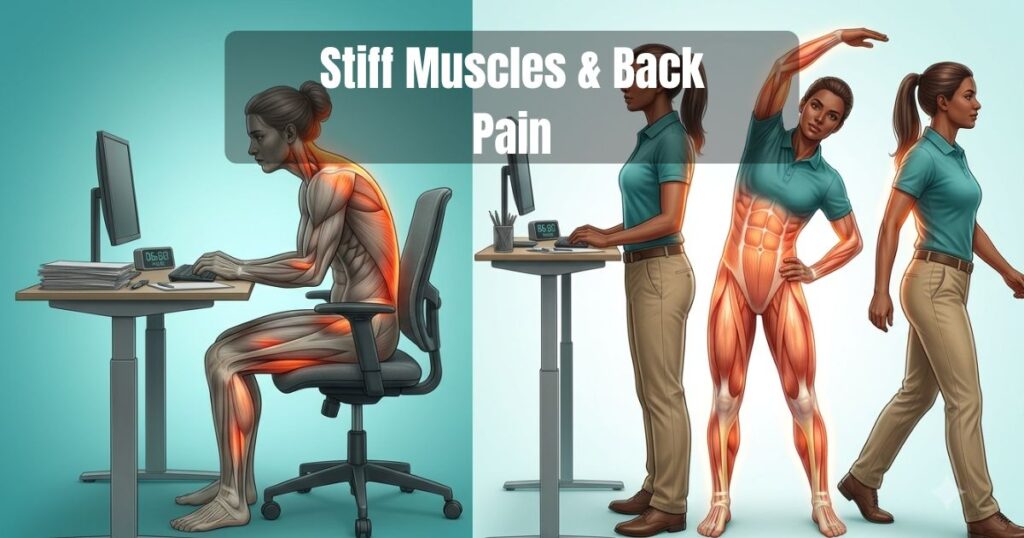
Do your neck, shoulders, hips, or knees feel stiff after sitting for long periods?
Without regular movement, muscles become tight and joints lose flexibility. Over time, this stiffness can affect your posture and increase discomfort during everyday activities.
Simple stretching and regular walking can help keep your joints mobile and your muscles flexible.
4. You Experience Frequent Back or Neck Pain
Long hours of sitting place extra pressure on your spine and weaken the muscles that support good posture.
Poor posture combined with inactivity often leads to neck pain, shoulder tension, and lower back discomfort.
Strengthening your core muscles and taking movement breaks throughout the day can significantly reduce these problems.
5. You Get Out of Breath During Simple Activities
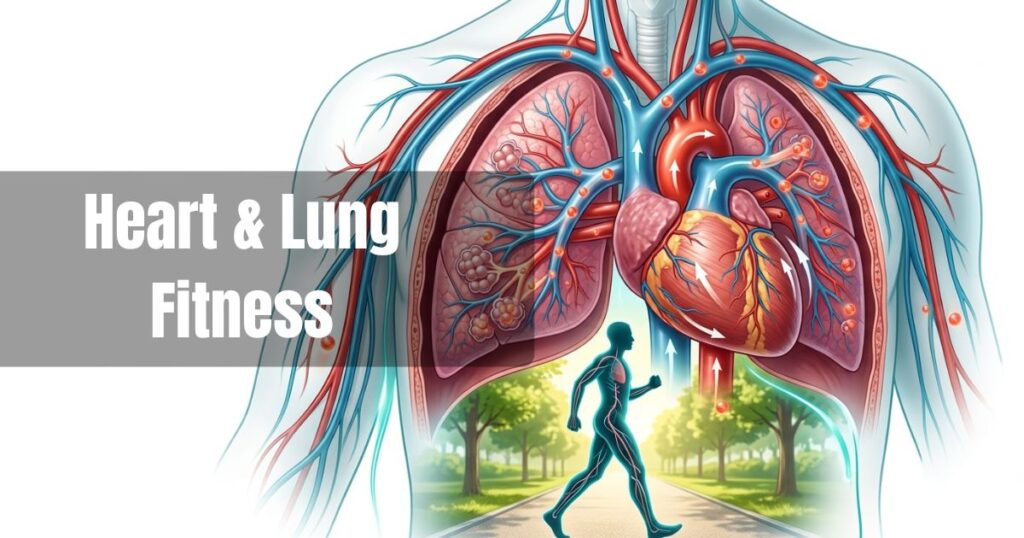
If climbing a flight of stairs or walking a short distance leaves you breathless, your cardiovascular fitness may have declined.
Regular aerobic activities such as brisk walking, cycling, swimming, or dancing strengthen your heart and lungs, making daily tasks much easier.
6. You Notice Mood Changes or Have Trouble Focusing
Physical activity doesn’t just benefit your body—it also supports your brain.
Exercise encourages the release of endorphins and other brain chemicals that help improve mood, reduce stress, and support concentration. On the other hand, spending long periods inactive may leave you feeling sluggish, irritable, or mentally unfocused.
Even a short walk outdoors can improve alertness and lift your mood.
7. You’re Craving Sugary Foods More Often
Frequent cravings for sugary snacks or highly processed foods can sometimes be linked to an inactive lifestyle.
While cravings have many causes, regular physical activity may help regulate appetite and support healthy blood sugar balance. Staying active also makes it easier to maintain healthy eating habits.
Pair regular movement with a balanced diet rich in fruits, vegetables, whole grains, and lean protein for the best results.
8. Your Digestion Feels Sluggish
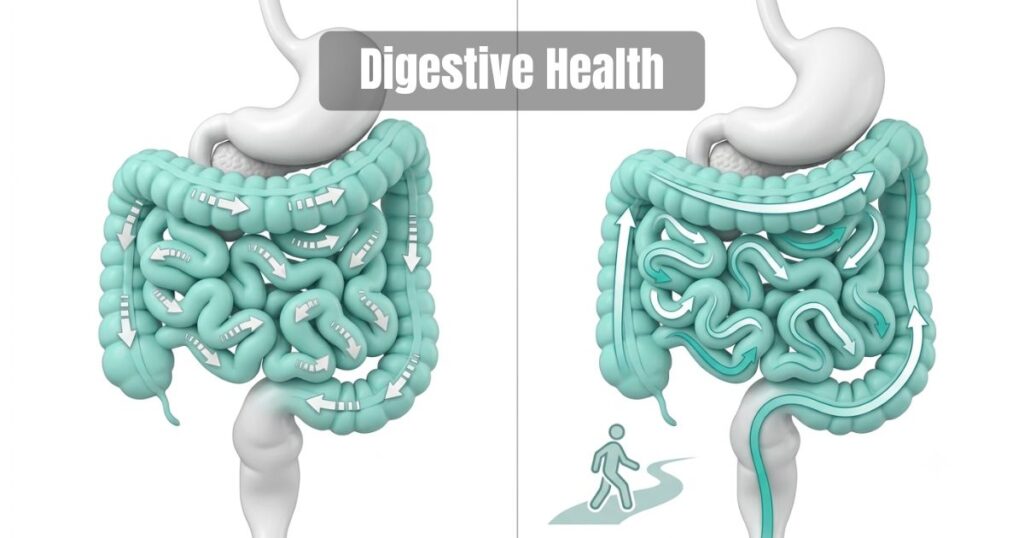
Movement plays an important role in healthy digestion.
Walking and other forms of physical activity help stimulate the digestive tract, supporting regular bowel movements and reducing the risk of constipation.
A short walk after meals can also help many people feel more comfortable and support healthy digestion.
9. You Seem to Get Sick More Often
Regular moderate exercise supports a healthy immune system by improving circulation and helping immune cells move efficiently throughout the body.
While exercise cannot prevent every illness, people who stay physically active often experience better overall immune function than those who spend most of their time sitting.
Remember that adequate sleep, proper nutrition, and stress management are also essential for maintaining a strong immune system.
10. You Spend Most of the Day Sitting
Perhaps the clearest sign is simply how much time you spend sitting.
Many adults sit for eight or more hours each day while working, studying, driving, or watching television. Even if you exercise regularly, long periods of uninterrupted sitting can still negatively affect your health.
Make it a habit to stand, stretch, or walk for a few minutes every 30–60 minutes to keep your body active.
Why Daily Movement Matters
Regular physical activity benefits nearly every part of your body. It can help:
- Improve heart and lung health
- Strengthen muscles and bones
- Increase flexibility and balance
- Support healthy weight management
- Boost energy levels
- Improve mood and reduce stress
- Enhance sleep quality
- Support brain function and memory
- Lower the risk of chronic diseases such as heart disease and type 2 diabetes
The good news is that you don’t need intense workouts to enjoy these benefits. Every bit of movement counts.
Simple Ways to Move More Every Day
Adding movement to your routine doesn’t have to be complicated.
Try these simple habits:
- Walk during phone calls.
- Stretch after waking up.
- Take the stairs instead of the elevator.
- Park farther from your destination.
- Walk after meals.
- Do household chores with more energy.
- Schedule short movement breaks while working.
- Choose activities you enjoy, such as cycling, dancing, or gardening.
- Consistency is far more important than perfection.
How Much Exercise Do You Need?
For most adults, health experts recommend:
At least 150 minutes of moderate-intensity aerobic activity each week, or 75 minutes of vigorous activity.
Muscle-strengthening exercises at least two days per week.
Regular stretching and balance exercises, especially as you get older.
If you’re new to exercise, start slowly and gradually increase your activity level. Even small changes can make a meaningful difference over time.
Want to build healthier habits? Read our guide on 10 Simple Habits for Sustainable Weight Loss to learn practical lifestyle changes that support long-term health and fitness.Click on the button below
https://bit.ly/4bE9onz: Signs You’re Not Moving Enough: 10 Warning Signs Your Body Needs More ActivityFinal Thoughts
Your body often tells you when it needs more movement. Constant fatigue, poor sleep, stiff muscles, back pain, reduced fitness, sluggish digestion, frequent illness, and spending most of the day sitting are all signs that it’s time to become more active.
The encouraging news is that improving your health doesn’t require extreme workouts. A daily walk, regular stretching, and simple lifestyle changes can boost your energy, strengthen your body, and improve both your physical and mental well-being.
Start with one small habit today. Every step you take is an investment in a healthier, stronger future.
References
- World Health Organization (WHO). Physical Activity. https://www.who.int/news-room/fact-sheets/detail/physical-activity
- Centers for Disease Control and Prevention (CDC). Benefits of Physical Activity. https://www.cdc.gov/physical-activity/
- American Heart Association. Recommendations for Physical Activity in Adults. https://www.heart.org/
- American College of Sports Medicine (ACSM). Exercise Guidelines. https://www.acsm.org/
- National Heart, Lung, and Blood Institute (NHLBI). Physical Activity and Your Heart. https://www.nhlbi.nih.gov/
- National Institutes of Health (NIH). Exercise and Physical Fitness. https://www.nih.gov/
- Harvard Health Publishing. Exercise & Fitness. https://www.health.harvard.edu/topics/exercise-and-fitness
- Mayo Clinic. Exercise: 7 Benefits of Regular Physical Activity. https://www.mayoclinic.org/healthy-lifestyle/fitness