Anxiety is a normal response to stress, uncertainty, or challenging situations. Feeling nervous before an exam, job interview, or important event is part of life. However, when anxiety becomes persistent, overwhelming, or begins interfering with daily activities, it may be a sign of an anxiety disorder.
Recognizing the signs and symptoms of anxiety early can help you take steps to manage your mental well-being and seek appropriate support. In this guide, you’ll learn the most common physical, emotional, cognitive, and behavioral symptoms, possible causes, and practical ways to manage anxiety.
What Is Anxiety?
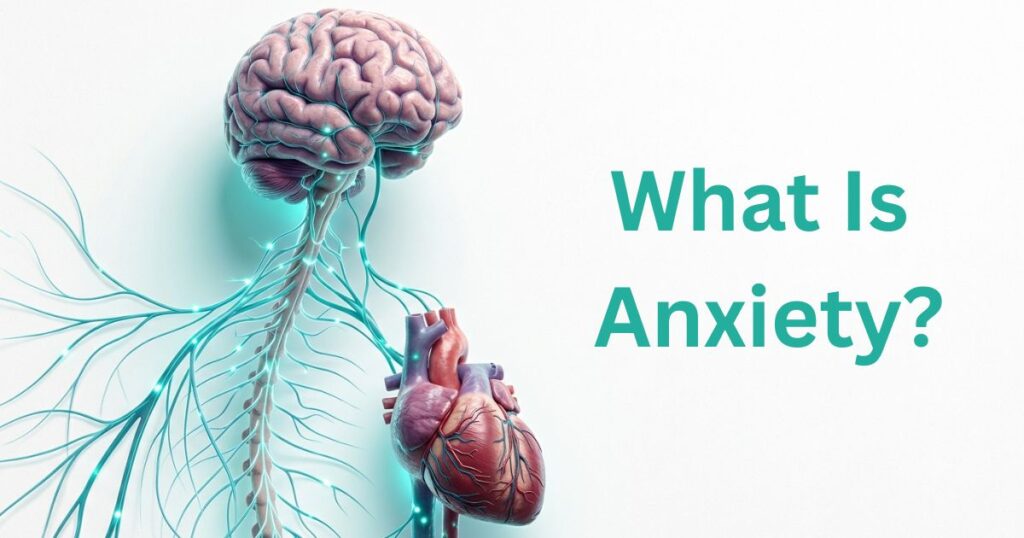
Anxiety is your body’s natural “fight-or-flight” response. It prepares you to react to danger by increasing alertness and energy. While this response is helpful during real threats, some people experience anxiety even when there is no immediate danger.
Occasional anxiety is normal. However, anxiety may become a disorder when it:
Lasts for weeks or months.
Is difficult to control.
Occurs without a clear reason.
Interferes with work, school, relationships, or sleep.
Anxiety can affect your thoughts, emotions, behavior, and physical health, and symptoms vary from person to person.
Common Signs and Symptoms of Anxiety
Anxiety symptoms generally fall into four categories: physical, emotional, cognitive, and behavioral.
Physical Symptoms
Many people associate anxiety with excessive worry, but physical symptoms can sometimes be the most noticeable. In some cases, a person may experience physical symptoms even without intense anxious thoughts.
Common physical symptoms include:
- Rapid heartbeat or heart palpitations
- Shortness of breath or feeling unable to take a deep breath
- Chest tightness or pressure
- Neck, shoulder, or back pain caused by muscle tension
- Excessive sweating
- Trembling or shaking
- Lightheartedness or dizziness
- Weak or shaky legs
- Headaches
- Blurred or tunnel vision
- A lump in the throat or difficulty swallowing
- Stomach discomfort, nausea, diarrhea, or constipation
- Fatigue despite adequate rest
- Trouble falling asleep or staying asleep
These symptoms are caused by the body’s stress response and can feel frightening. However, they can also occur with other medical conditions. If these symptoms are new, severe, or persistent, consult a healthcare professional to rule out other possible causes.
Emotional Symptoms
Anxiety can have a significant impact on your emotions and overall mood.
Common emotional symptoms include:
- Constant worry
- Feeling restless or on edge
- Irritability
- Feeling overwhelmed
- Fear that something bad may happen
- Difficulty relaxing
- Mood swings
- Low self-confidence
Many people describe anxiety as feeling tense even when everything appears to be fine.
Cognitive Symptoms
Anxiety often affects the way you think.
Common cognitive symptoms include:
- Overthinking
- Racing thoughts
- Difficulty concentrating
- Constant self-doubt
- Expecting the worst
- Trouble making decisions
- Intrusive thoughts
- Difficulty focusing on everyday tasks
Persistent anxious thoughts can make it harder to work, study, or enjoy daily life.
Behavioral Symptoms
Behavioral changes may develop gradually and are sometimes overlooked.
Examples include:
- Avoiding social situations
- Cancelling plans
- Procrastinating because of fear
- Seeking constant reassurance
- Withdrawing from family and friends
- Difficulty completing work or school tasks
Although avoiding stressful situations may provide temporary relief, it often reinforces anxiety over time.
What Causes Anxiety?
There is no single cause of anxiety. Instead, it usually results from a combination of factors.
Common causes and risk factors include:
- Family history of anxiety disorders
- Stressful life events such as divorce, financial difficulties, or losing a loved one
- Certain medical conditions, including thyroid disorders
- Poor sleep habits
- Excessive caffeine intake
- Alcohol or recreational drug use
- Chronic stress
- Brain chemistry and individual personality traits
Types of Anxiety Disorders
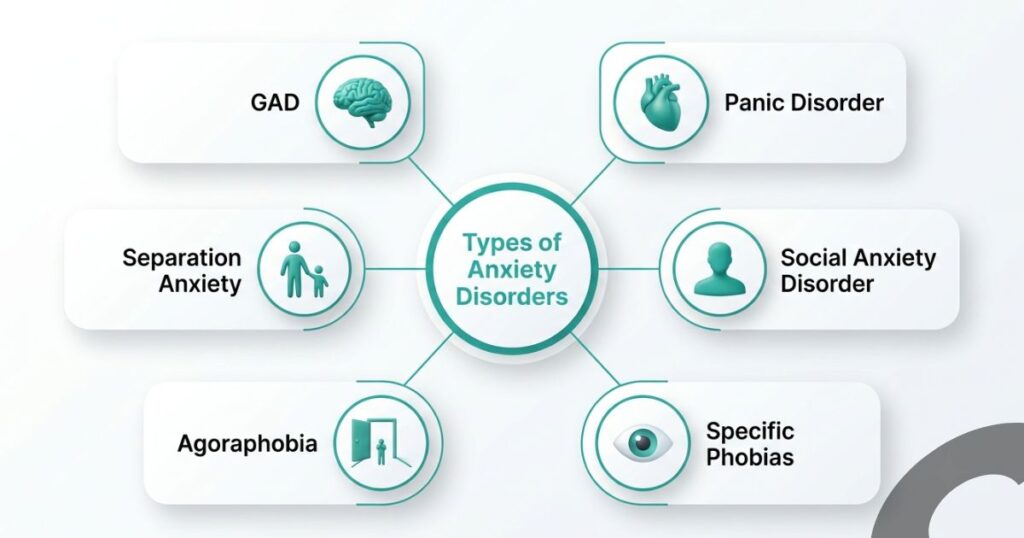
Mental health professionals recognize several types of anxiety disorders.
Generalized Anxiety Disorder (GAD)
Persistent and excessive worry about everyday situations lasting six months or longer.
Panic Disorder
Repeated panic attacks that may include intense physical symptoms such as chest pain, dizziness, rapid heartbeat, and fear of losing control.
Social Anxiety Disorder
A strong fear of being judged or embarrassed in social situations.
Specific Phobias
An intense fear of certain objects, animals, or situations, such as flying or heights.
Separation Anxiety
Excessive fear of being separated from loved ones, affecting both children and adults.
Agoraphobia
An anxiety disorder that causes intense fear of places or situations where escaping may feel difficult. As a result, people may avoid crowded places, public transport, or leaving home. In severe cases, it can interfere with daily life and independence.When Should You Seek Professional Help?
Consider speaking with a healthcare professional if anxiety:
- Lasts for several weeks or months.
- Interferes with work, school, or relationships.
- Causes frequent panic attacks.
- Prevents you from enjoying daily activities.
- Leads to ongoing sleep problems.
- Causes persistent physical symptoms.
Because anxiety symptoms can resemble other health conditions, it’s important to seek medical evaluation if symptoms are new, severe, or unexplained.
Effective Ways to Manage Anxiety
Although treatment varies from person to person, several healthy habits can help reduce anxiety symptoms.
Stay Active
Regular exercise supports both physical and mental health by improving mood and reducing stress.
Practice Deep Breathing
Slow, controlled breathing can help calm the body’s stress response during anxious moments.
Get Enough Sleep
Aim for 7–9 hours of quality sleep each night and maintain a consistent bedtime routine.
Eat a Balanced Diet
Choose fruits, vegetables, whole grains, lean protein, and healthy fats while limiting highly processed foods.
Limit Caffeine
Too much caffeine may worsen symptoms such as a racing heartbeat, restlessness, and nervousness.
Practice Mindfulness
Meditation, journalism, and spending time in nature may help you stay present and reduce excessive worrying.
Stay Connected
Talking with trusted friends, family members, or a mental health professional can provide valuable emotional support.
Consider Professional Treatment
Therapies such as Cognitive Behavioral Therapy (CBT) are effective for many anxiety disorders. In some cases, a healthcare provider may also recommend medication based on your individual needs.
Frequently Asked Questions
Can anxiety cause physical symptoms?
Yes. Anxiety may cause rapid heartbeat, dizziness, headaches, stomach problems, muscle tension, chest tightness, fatigue, and difficulty sleeping.
Is anxiety curable?
Many people successfully manage anxiety through healthy lifestyle changes, therapy, stress-management techniques, and, when appropriate, medication prescribed by a healthcare professional.
Can anxiety happen without worrying?
Yes. Some people experience mainly physical symptoms, such as heart palpitations or dizziness, even when they are not consciously worrying.
How long do anxiety symptoms last?
Symptoms vary from person to person. Temporary anxiety may last minutes or hours, while anxiety disorders can persist for months without proper treatment.
Final Thoughts
Recognizing the signs and symptoms of anxiety is the first step toward improving your mental well-being. While occasional anxiety is a normal part of life, persistent emotional, physical, cognitive, or behavioral symptoms should not be ignored.
Healthy habits, stress management, and professional support can make a meaningful difference. If anxiety is affecting your daily life or causing ongoing distress, don’t hesitate to seek guidance from a qualified healthcare professional. Early intervention can lead to better long-term outcomes.
References
- MedlinePlus (U.S. National Library of Medicine). Anxiety. https://medlineplus.gov/anxiety.html
- World Health Organization (WHO). Mental Disorders. https://www.who.int/news-room/fact-sheets/detail/mental-disorders
- National Institute of Mental Health (NIMH). Anxiety Disorders. https://www.nimh.nih.gov/health/topics/anxiety-disorders
- American Psychiatric Association. What Are Anxiety Disorders? https://www.psychiatry.org/patients-families/anxiety-disorders
- National Health Service (NHS). Generalised Anxiety Disorder in Adults. https://www.nhs.uk/mental-health/conditions/generalised-anxiety-disorder/
- Mayo Clinic. Anxiety Disorders: Symptoms and Causes. https://www.mayoclinic.org/diseases-conditions/anxiety/symptoms-causes/
- Cleveland Clinic. Anxiety Disorders. https://health.clevelandclinic.org/