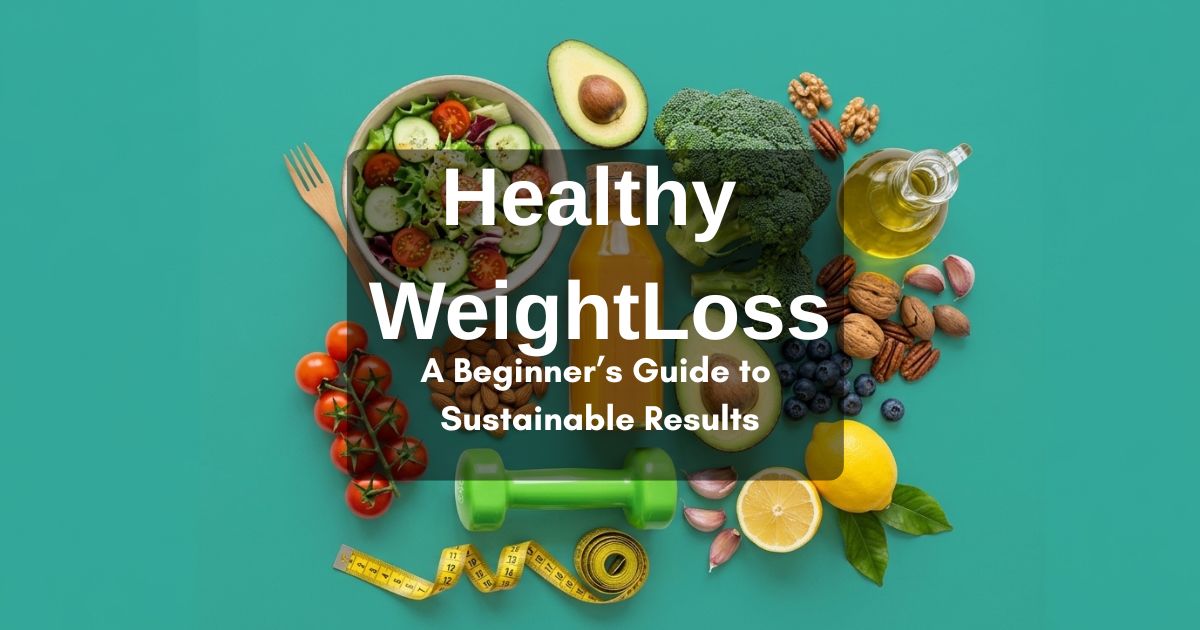
Introduction: Understanding Healthy Weight Loss
Healthy weight loss for beginners isn’t about punishment, crash diets, or shortcuts. If you’re trying to understand how to lose weight naturally, the real solution lies in building sustainable habits that your body can maintain long-term.
Most people fail because they chase quick fixes like detox teas or extreme dieting. These methods may show short-term results but often lead to fatigue, frustration, and weight regain.
True healthy weight loss is about lifestyle transformation—learning how your body works, eating balanced meals, staying active, managing stress, and building consistency over perfection.
Part 1: The Real Science Behind a Calorie Deficit
Weight loss is based on a simple scientific principle called a calorie deficit.
Your body uses energy (calories) for everything—breathing, moving, digestion, and exercise. This is known as your Total Daily Energy Expenditure (TDEE).
- Calorie Surplus: Eating more than you burn → weight gain
- Calorie Maintenance: Eating equal to what you burn → stable weight
- Calorie Deficit: Eating less than you burn → weight loss
Example:
If your body needs 2000 calories per day and you consume 1500, the 500-calorie deficit forces your body to use stored fat for energy, leading to gradual fat loss.
�� If you’re learning how to lose weight naturally, understanding this concept is the first step.
Balancing Macro-nutrients for Weight Loss
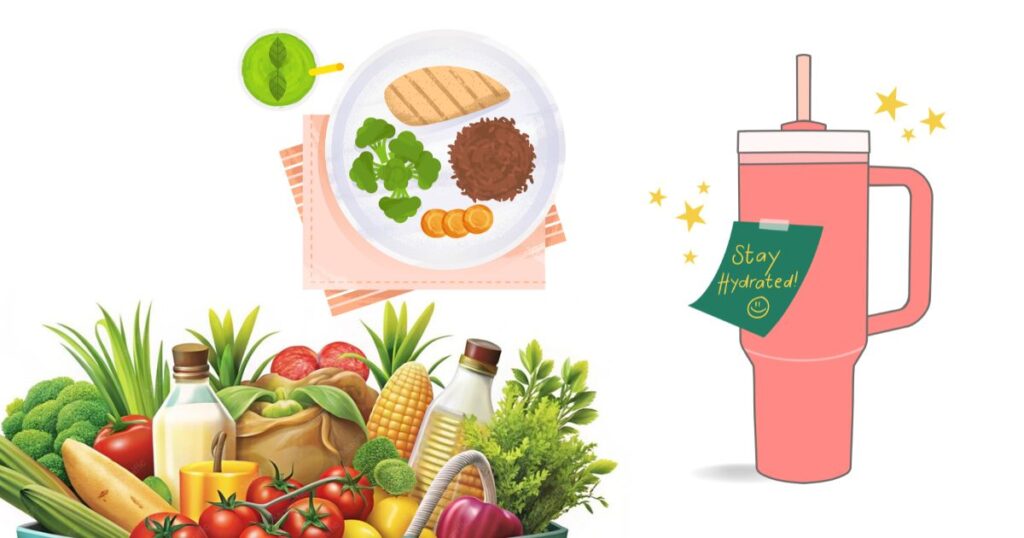
A calorie deficit alone is not enough. You also need proper nutrition:
- Carbohydrates: Main energy source
- Protein: Builds and repairs muscles, keeps you full
- Healthy Fats: Supports hormones and brain function
- Fiber & Water: Improves digestion and reduces overeating
Part 2: Simple Nutrition Changes for Beginners
1. Practice Portion Control
Even healthy foods can lead to weight gain if eaten in excess. Use smaller plates, eat slowly, and listen to your hunger signals. Eating mindfully helps prevent overeating and allows your brain enough time to recognize when you’re full.
2. Remove Liquid Calories
Sugary drinks like soda, packaged juices, and sweet coffee add calories without fullness. Replacing them with water or green tea can significantly help. Making this simple swap can reduce your daily calorie intake without leaving you feeling hungry.
3. Stay Properly Hydrated
Water supports metabolism, reduces false hunger, and improves energy levels. Many people confuse thirst with hunger. Drinking a glass of water before meals may also help you eat appropriate portions and stay hydrated throughout the day.
4. Improve Gut Health
A healthy digestive system supports better fat metabolism and reduces bloating. Include fiber-rich foods like vegetables, oats, and fruits. Eating pro biotic and prediction foods can also support a balanced gut micro biome and improve overall digestive health.
Part 3: Movement for Sustainable Fitness
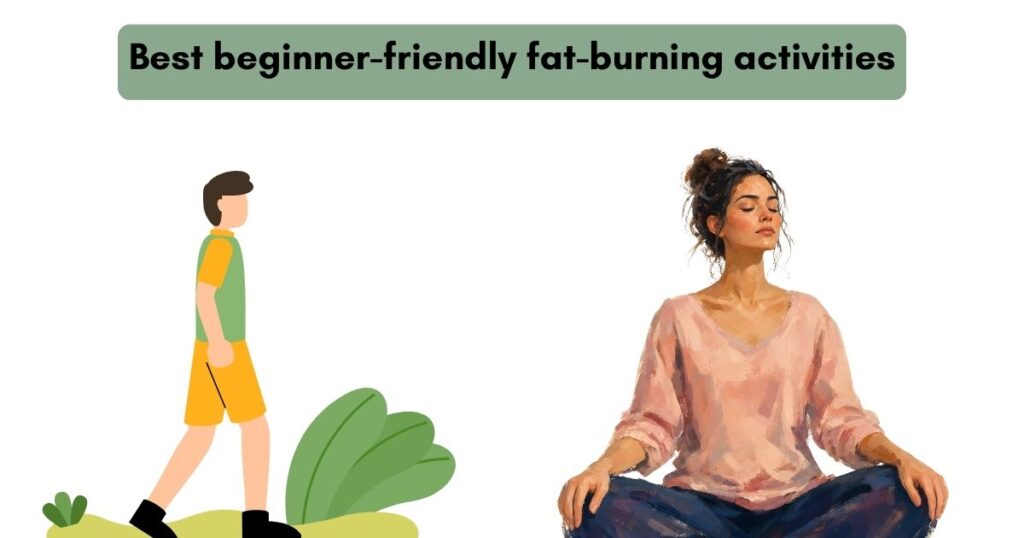
You don’t need extreme workouts to lose weight as a beginner. Starting with simple activities and staying consistent is far more effective than exercising too intensely for a short time.
- Walking: One of the easiest and most effective ways to burn calories, improve heart health, and build a regular exercise habit.
- Strength Training: Helps build lean muscle, which can increase your metabolism and support long-term fat loss.
- Fun Activities: Dancing, cycling, sports, or yoga keep you active while making exercise enjoyable, helping you stay consistent.
👉 Aim for 30–45 minutes of daily movement instead of intense gym routines.
Part 4: Sleep, Stress & Hormones
Why Sleep Matters
Getting 7–9 hours of quality sleep each night gives your body time to recover and supports healthy hormone balance. A consistent sleep schedule can also improve energy levels, making it easier to stay active and make healthier food choices.
Stress and Weight Gain
Managing stress is an important part of a healthy lifestyle and sustainable weight management. Practicing relaxation techniques regularly can improve your mood, reduce emotional eating, and help you maintain healthy daily habits.
Healthy habits:
- Deep breathing exercises
- Outdoor walks
- Reading or hobbies
- Social connection
Part 5: Fat Loss vs Weight Loss
Understanding this difference is important for beginners:
- Weight Loss: Includes fat, water, and muscle loss
- Fat Loss: Focuses specifically on reducing body fat while maintaining muscle
👉 The goal of healthy weight loss should always be fat loss, not just a lower number on the scale.
Common Mistakes vs Smart Habits
| Mistakes ❌ | Smart Habits ✅ |
| Crash diets | Balanced meals |
| Skipping meals | Regular meal planning |
| Extreme expectations | Slow, steady progress |
| Scale obsession | Focus on overall health |
| Perfection mindset | Consistency mindset |
Step-by-Step Beginner Plan
1. Calculate your daily calorie needs
Knowing how many calories your body needs helps you create a realistic and sustainable weight loss plan.
2. Create a 300–500 calorie deficit
A moderate calorie deficit supports steady fat loss while helping you maintain your energy levels and muscle mass.
3. Eat balanced meals with protein and fiber
Include lean protein, whole grains, fruits, vegetables, and healthy fats to stay full and meet your nutritional needs.
4. Move daily for 30–45 minutes
Choose activities you enjoy, such as walking, cycling, or strength training, to make exercise easier to maintain.
5. Sleep 7–8 hours consistently
Quality sleep supports recovery, energy levels, and healthy habits that contribute to long-term weight management.
6. Stay consistent for weeks, not days
Sustainable results come from small, healthy habits practiced consistently rather than quick fixes or extreme diets.
Frequently Asked Questions (FAQ)
How much weight can a beginner lose in a month?
A healthy rate is 1–2 kg per week depending on lifestyle and consistency.
Is a calorie deficit necessary for weight loss?
Yes, it is the foundation of all fat loss methods.
Can I lose weight without going to the gym?
Yes, walking, home workouts, and daily activity are enough for beginners.
How much water should I drink daily?
Around 2–3 liters depending on body size and activity level.
What is the healthiest way to lose weight?
Balanced diet, calorie control, exercise, sleep, and stress management.
Final Thoughts
The journey of healthy weight loss is not about extreme restriction but about building a better lifestyle.
If your focus is only on the scale, motivation will fade. But if you focus on energy, strength, confidence, and discipline, results will naturally follow.
Stay consistent, stay patient, and trust the process—real change takes time, but it always lasts.
References
- Mayo Clinic. Weight Loss. https://www.mayoclinic.org/healthy-lifestyle/weight-loss
- World Health Organization (WHO). Obesity and Overweight. https://www.who.int/news-room/fact-sheets/detail/obesity-and-overweight
- Centers for Disease Control and Prevention (CDC). Healthy Weight, Nutrition, and Physical Activity. https://www.cdc.gov/healthy-weight-growth/
- National Institute of Diabetes and Digestive and Kidney Diseases (NIDDK). Choosing a Safe and Successful Weight-loss Program. https://www.niddk.nih.gov/health-information/weight-management
- Harvard T.H. Chan School of Public Health. The Nutrition Source: Healthy Weight. https://www.hsph.harvard.edu/nutritionsource/
- National Institutes of Health (NIH). Aim for a Healthy Weight. https://www.nhlbi.nih.gov/health/educational/lose_wt/
- Academy of Nutrition and Dietetics. Weight Management. https://www.eatright.org/