Modern life moves fast. Between work, family responsibilities, social media, and endless notifications, it’s easy to feel distracted, stressed, or mentally exhausted. Many people spend their days worrying about the future or replaying events from the past, leaving little time to enjoy the present moment.
This is where mindfulness can help.
Mindfulness is a simple practice that encourages you to focus on the present without judging your thoughts or feelings. You don’t need expensive equipment, special training, or hours of free time to get started. Even a few minutes each day can help you feel calmer, improve your focus, and manage stress more effectively.
In this beginner-friendly guide, you’ll learn what mindfulness is, its benefits, practical exercises, and easy ways to make it part of your daily routine.
What Is Mindfulness?
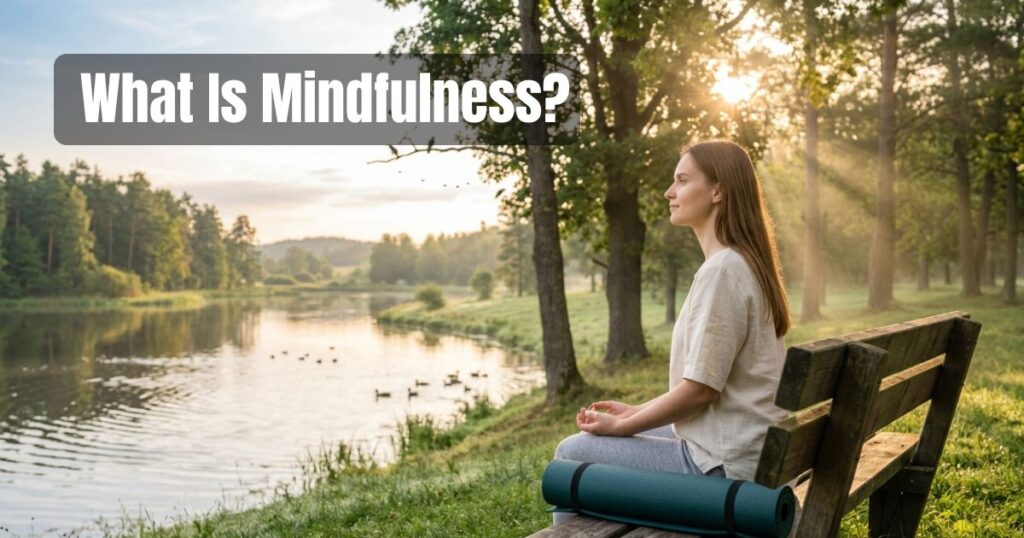
Mindfulness is the practice of paying attention to the present moment with openness and curiosity. Instead of becoming caught up in worries about the future or regrets about the past, mindfulness helps you notice what’s happening right now.
This includes becoming aware of:
Your breathing
Physical sensations in your body
Thoughts and emotions
Sounds and smells around you
Everyday activities like eating, walking, or washing dishes
Mindfulness doesn’t require you to stop thinking. Instead, it teaches you to notice your thoughts without letting them take control.
Why Is Mindfulness Important?
Our minds naturally wander. We often think about unfinished tasks, upcoming deadlines, or past experiences. While this is normal, spending too much time outside the present moment can increase stress and reduce our ability to enjoy daily life.
Mindfulness helps train your attention. Instead of reacting automatically to every thought or emotion, you learn to pause, observe, and respond with greater awareness.
Over time, this can improve emotional well-being and help you feel more balanced.
Benefits of Mindfulness
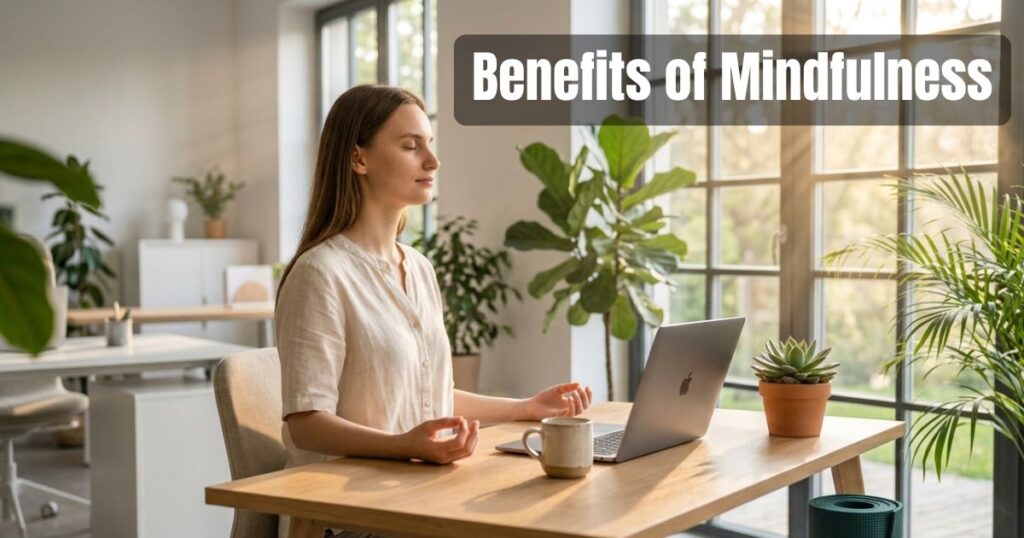
Research suggests that regular mindfulness practice may offer several benefits, including:
- Helping reduce everyday stress
- Improving focus and concentration
- Supporting emotional balance
- Encouraging better sleep habits
- Increasing self-awareness
- Promoting patience and resilience
- Improving communication by encouraging active listening
Although mindfulness isn’t a cure for mental health conditions, it can be a valuable tool for supporting overall well-being.
Common Myths About Mindfulness
Many beginners avoid mindfulness because of common misunderstandings.
Myth 1: You Need to Empty Your Mind
This is one of the biggest myths. Thoughts will always appear. Mindfulness is simply noticing when your mind wanders and gently bringing your attention back.
Myth 2: You Need Long Meditation Sessions
You don’t have to meditate for an hour. Even five minutes of mindful breathing or observation can be beneficial.
Myth 3: Mindfulness Is Only Meditation
Formal meditation is just one way to practice mindfulness. You can also be mindful while eating, walking, cleaning, or drinking your morning coffee.
Simple Mindfulness Exercises for Beginners
1. Mindful Breathing
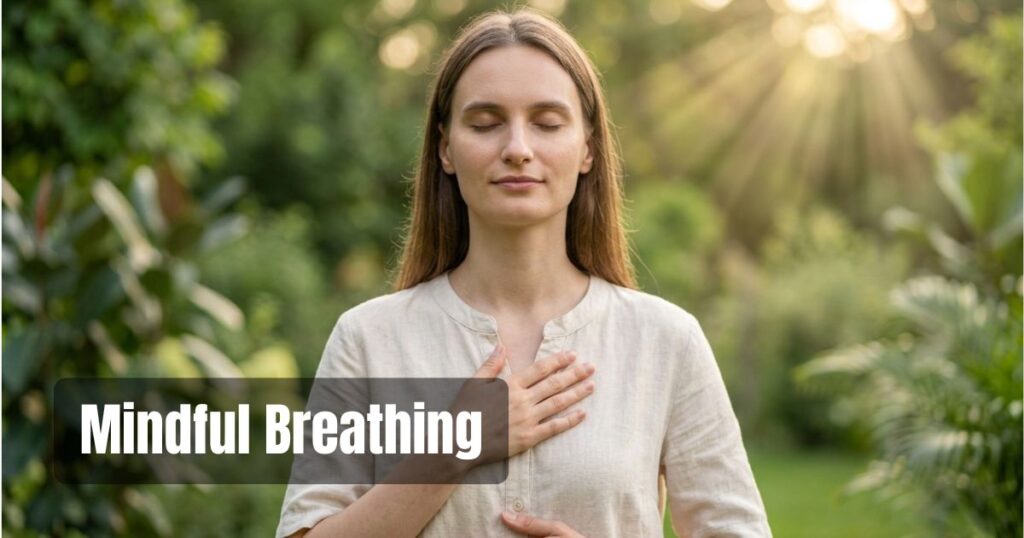
Sit comfortably and allow your breathing to flow naturally.
Instead of trying to control your breath, simply notice it.
Pay attention to:
- Is your breathing fast or slow?
- Is it deep or shallow?
- How does each breath feel?
Whenever your mind drifts, gently return your attention to your breathing without criticizing yourself.
Practice for five minutes each day.
2. The 5-4-3-2-1 Grounding Exercise
This simple exercise helps bring your attention back to the present using your senses.
Notice:
5 things you can see
4 things you can feel
3 things you can hear
2 things you can smell
1 thing you can taste
This technique is especially useful when you feel overwhelmed or distracted because it shifts your focus away from racing thoughts and toward your surroundings.
3. Practice Mindfulness During Daily Activities
You don’t always need to sit quietly to practice mindfulness.
Choose one everyday activity and give it your full attention.
For example:
- Drink your morning tea without checking your phone.
- Notice the warmth of the cup.
- Pay attention to the aroma and taste.
- Observe how your body feels.
You can also practice mindfulness while brushing your teeth, taking a shower, cooking, or walking.
These small moments can become powerful mindfulness exercises.
How to Build a Daily Mindfulness Habit
Starting a new habit doesn’t have to be difficult.
Here are a few tips:
Start Small
Begin with just five minutes each day. Consistency is more important than duration.
Pick a Regular Time
Practice after waking up, during lunch, or before bed to help build a routine.
Reduce Distractions
Find a quiet space whenever possible and silence unnecessary notifications.
Be Patient
Some days your mind will wander constantly, and that’s completely normal. Every time you bring your attention back, you’re strengthening your mindfulness skills.
Bringing Mindfulness Into Everyday Life
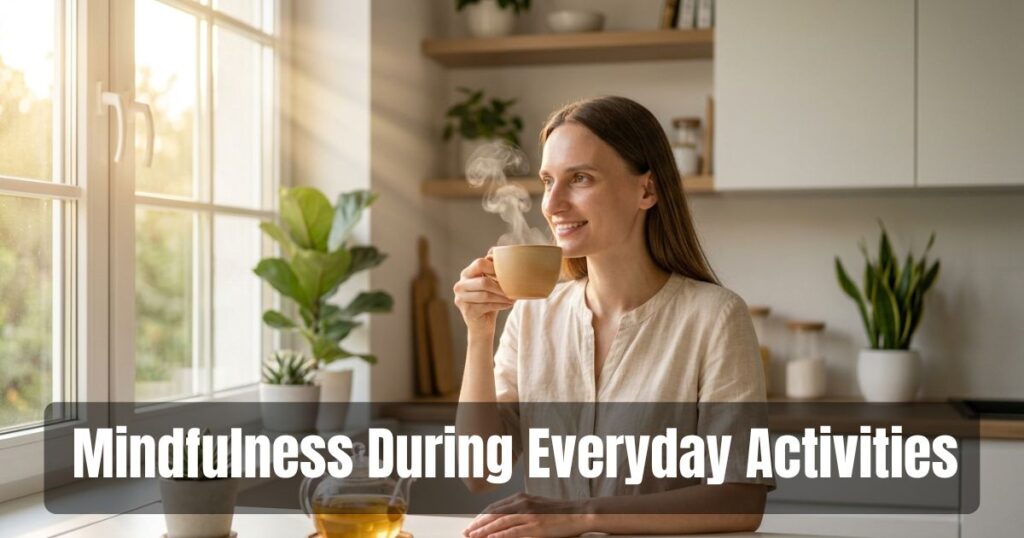
Mindfulness isn’t limited to meditation.
Try practicing while:
- Eating meals
- Walking outside
- Exercising
- Waiting in line
- Washing dishes
- Gardening
- Listening during conversations
- Driving while staying fully focused on the road
The more often you practice during ordinary moments, the more natural mindfulness becomes.
Beginner Mistakes to Avoid
Many people give up because they believe they’re “doing it wrong.”
Avoid these common mistakes:
- Expecting immediate results
- Trying to stop every thought
- Judging yourself when your mind wanders
- Practicing only when you’re stressed
- Comparing your progress with others
Remember, mindfulness is a skill that develops with regular practice.
Is Mindfulness Right for Everyone?

Mindfulness can support overall well-being for many people, but it isn’t a replacement for professional medical or mental health care.
If you’re experiencing severe anxiety, depression, trauma, or emotional distress, speak with a qualified healthcare professional. Mindfulness can complement treatment, but it should not replace expert advice or therapy.
Final Thoughts
Mindfulness is one of the simplest habits you can develop for a healthier and more balanced life. By paying attention to the present moment without judgment, you can reduce everyday stress, improve focus, and become more aware of your thoughts and emotions.
The best part is that you don’t need to be perfect. Start with just a few mindful minutes each day, whether you’re breathing, walking, eating, or simply observing your surroundings.
Small, consistent steps can lead to meaningful changes over time. Your journey toward greater calm and clarity begins with one mindful moment.
Frequently Asked Questions (FAQs)
1. How long should beginners practice mindfulness?
Starting with 5–10 minutes a day is enough to build a consistent habit.
2. Can mindfulness help reduce stress?
Yes. Research suggests that regular mindfulness practice may help lower everyday stress and improve emotional well-being.
3. Do I have to meditate to practice mindfulness?
No. You can practice mindfulness during everyday activities like eating, walking, or drinking your morning coffee.
4. What if my mind keeps wandering?
That’s completely normal. Simply notice it and gently return your attention to the present moment.
5. How long does it take to notice results?
Some people notice benefits within a few days, while others experience gradual improvements after several weeks of regular practice. Consistency is the key to long-term results.
References
- World Health Organization (WHO). Mental Health. https://www.who.int/health-topics/mental-health
- National Center for Complementary and Integrative Health (NCCIH). Meditation and Mindfulness: Effectiveness and Safety. https://www.nccih.nih.gov/health/meditation-and-mindfulness-effectiveness-and-safety
- American Psychological Association (APA). Mindfulness Meditation: A Research-Proven Way to Reduce Stress. https://www.apa.org/
- National Institute of Mental Health (NIMH). Caring for Your Mental Health. https://www.nimh.nih.gov/health/topics/caring-for-your-mental-health
- Mayo Clinic. Meditation: A Simple, Fast Way to Reduce Stress. https://www.mayoclinic.org/healthy-lifestyle/stress-management
- Harvard Health Publishing. Mindfulness and Meditation. https://www.health.harvard.edu/topics/mind-and-mood
- Centers for Disease Control and Prevention (CDC). Coping with Stress. https://www.cdc.gov/
- Cleveland Clinic. Mindfulness. https://health.clevelandclinic.org/