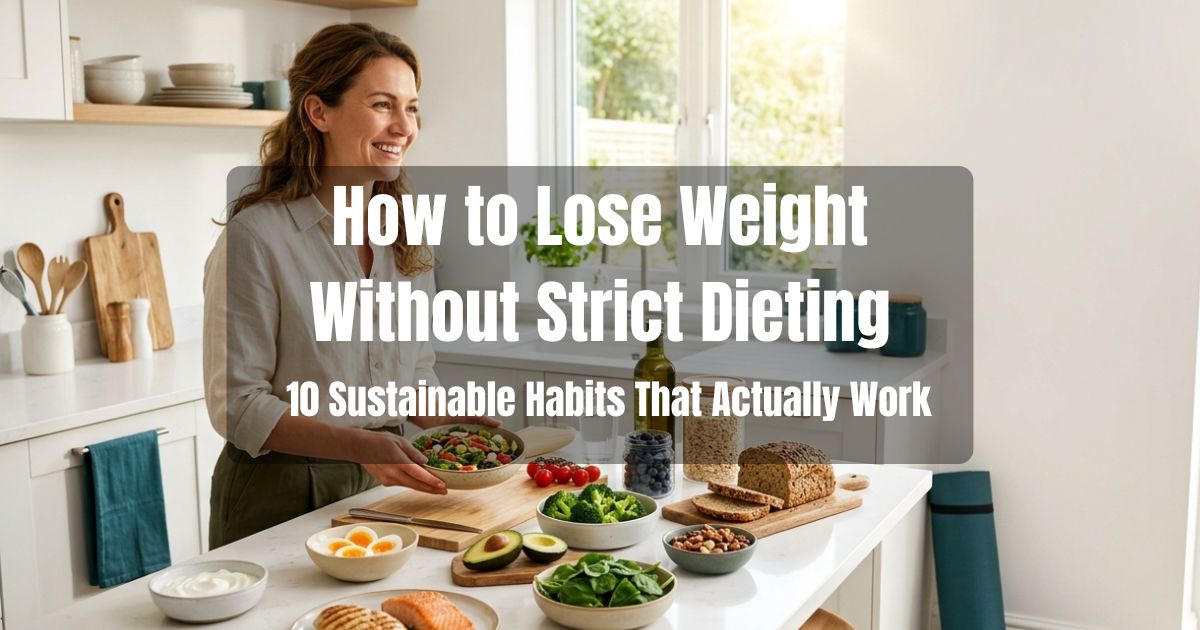
How to Lose Weight Without Strict Dieting
Have you ever started a diet only to quit after a few weeks because it felt too restrictive? You’re not alone. Many women believe they must eliminate their favorite foods, count every calorie, or follow complicated meal plans to lose weight. While these methods may produce quick results, they’re often difficult to maintain.
The truth is that lasting weight loss comes from consistent lifestyle habits rather than extreme dieting. Small changes—like eating more protein, moving your body regularly, and improving your sleep—can help you lose weight while still enjoying a balanced diet.
Here are 10 practical, evidence-based habits that support healthy, sustainable weight loss.
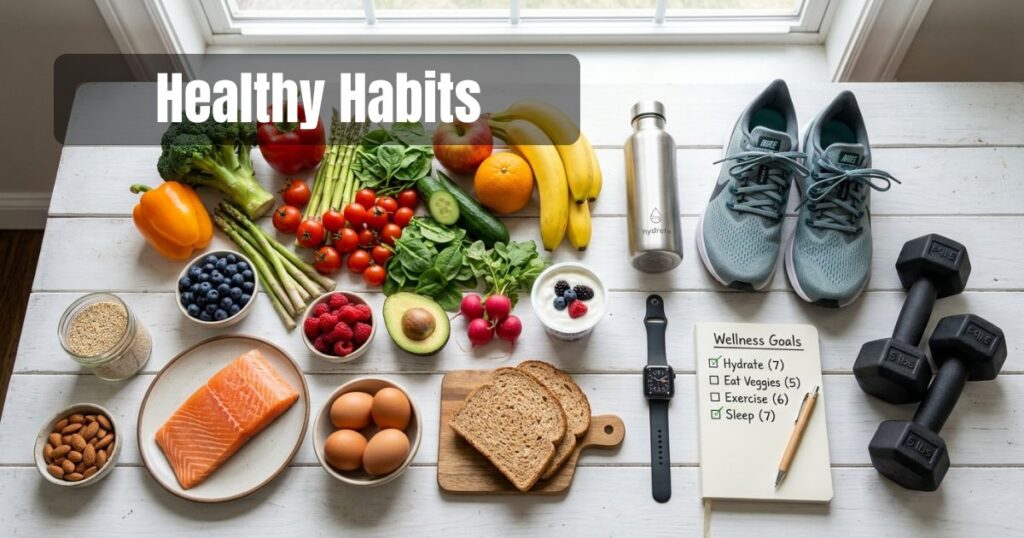
1. Stop Chasing Fad Diets
Strict diets often promise rapid weight loss, but they rarely provide long-term success. Cutting out entire food groups or eating very few calories can increase cravings, reduce motivation, and make it harder to stick with healthy habits.
Instead of searching for the perfect diet, build an eating pattern you can enjoy for years. Sustainable habits are far more effective than short-term restrictions.
2. Prioritize Protein at Every Meal
Protein is one of the most satisfying nutrients. It helps keep you full longer, supports muscle maintenance during weight loss, and may reduce unnecessary snacking.
Good protein sources include:
- Eggs
- Chicken
- Fish
- Greek yogurt
- Lentils
- Beans
- Tofu
Aim to include a source of protein with each meal to help control hunger throughout the day.
3. Fill Half Your Plate with Vegetables
Vegetables are naturally low in calories and rich in fiber, vitamins, and minerals. Fiber slows digestion and helps you feel satisfied after meals, making it easier to avoid overeating.
Choose a variety of colorful vegetables such as spinach, broccoli, carrots, cucumbers, tomatoes, bell peppers, and cauliflower. The more colorful your plate, the wider the range of nutrients you’ll get.
4. Drink More Water and Cut Back on Sugary Drinks
Many beverages contain added sugar and calories without providing lasting fullness. Replacing sugary drinks with water or unsweetened beverages is one of the easiest ways to reduce your daily calorie intake.
Try these simple habits:
- Drink a glass of water before meals.
- Carry a reusable water bottle.
- Choose unsweetened tea or black coffee instead of sugary drinks.
Staying hydrated also supports digestion and overall health.
5. Practice Mindful Eating
Eating too quickly or while distracted can lead to overeating because your brain doesn’t have enough time to recognize fullness.
To practice mindful eating:
Eat without using your phone or watching TV.
Chew slowly and enjoy each bite.
Pay attention to your hunger and fullness cues.
Stop eating when you feel comfortably satisfied.
These small changes can naturally reduce calorie intake without making you feel deprived.
6. Stay Active Every Day
You don’t need intense workouts to lose weight. Regular movement throughout the day can make a significant difference.
Choose activities you enjoy, such as:
- Walking
- Cycling
- Dancing
- Swimming
- Gardening
- Taking the stairs
Adding strength training two or three times per week can also help preserve muscle and support a healthy metabolism.
7. Get Enough Sleep
Sleep is often overlooked, but it’s an important part of weight management. Poor sleep can increase hunger, reduce energy, and make cravings for high-calorie foods more likely.
Aim for 7–9 hours of quality sleep each night by maintaining a consistent bedtime, limiting screen time before bed, and creating a comfortable sleep environment.
8. Plan for Real Life
Healthy eating should fit your lifestyle—not control it. Birthdays, holidays, and restaurant meals are part of life, and enjoying them occasionally doesn’t mean you’ve failed.
Simple strategies include:
Eat a protein-rich snack before a party.
Fill half your plate with vegetables at buffets.
Share desserts when possible.
Return to your healthy routine after special occasions instead of giving up.
One indulgent meal won’t ruin your progress. Your long-term habits matter far more than a single day.
9. Manage Stress and Emotional Eating
Stress can make it harder to maintain healthy eating habits and may increase cravings for comfort foods.
Healthy ways to manage stress include:
- Going for a walk
- Deep breathing exercises
- Yoga or stretching
- Journaling
- Spending time outdoors
- Talking with family or friends
Taking care of your mental well-being supports your physical health too.
10. Focus on Progress, Not Perfection
Healthy weight loss is a journey, not a race. Missing a workout or enjoying your favorite dessert occasionally doesn’t erase your progress.
Instead of aiming for perfection, focus on making healthy choices most of the time. Small improvements repeated consistently often lead to the biggest long-term results.
Remember, the best weight-loss plan is one you can maintain.
Common Mistakes to Avoid
Avoid these habits that can slow your progress:
- Skipping meals to “save calories.”
- Drinking sugary beverages regularly.
- Relying on crash diets.
- Ignoring portion sizes.
- Expecting overnight results.
- Comparing your journey with others.
Consistency is more important than quick fixes.
Frequently Asked Questions
Can I lose weight without counting calories?
Yes. Many people lose weight by eating balanced meals, choosing whole foods, controlling portions, and staying active without tracking every calorie.
Is walking enough for weight loss?
Walking is an excellent form of exercise. When combined with healthy eating habits, it can support gradual and sustainable weight loss.
Can I still eat my favorite foods?
Absolutely. You don’t need to eliminate your favorite foods. Enjoy them in moderation while building most of your meals around nutritious options.
How fast should I lose weight?
For most adults, losing 0.5–1 kg (1–2 pounds) per week is considered a safe and sustainable pace.

Final Thoughts
Losing weight doesn’t require strict dieting or giving up everything you enjoy. Lasting results come from building healthy habits that fit your lifestyle and can be maintained over time.
Focus on eating balanced meals, staying active, drinking enough water, sleeping well, and managing stress. Be patient with yourself and celebrate small victories along the way.
Remember, every healthy choice you make is a step toward a stronger, healthier version of yourself.
References
- World Health Organization. Healthy diet. https://www.who.int/news-room/fact-sheets/detail/healthy-diet
- Centers for Disease Control and Prevention. Healthy Weight, Nutrition, and Physical Activity. https://www.cdc.gov/healthy-weight-growth/
- National Institutes of Health. Aim for a Healthy Weight. https://www.niddk.nih.gov/health-information/weight-management
- Academy of Nutrition and Dietetics. Weight Management. https://www.eatright.org/
- American Heart Association. Healthy Eating. https://www.heart.org/
- Harvard T.H. Chan School of Public Health. The Nutrition Source.https://www.hsph.harvard.edu/nutritionsource/