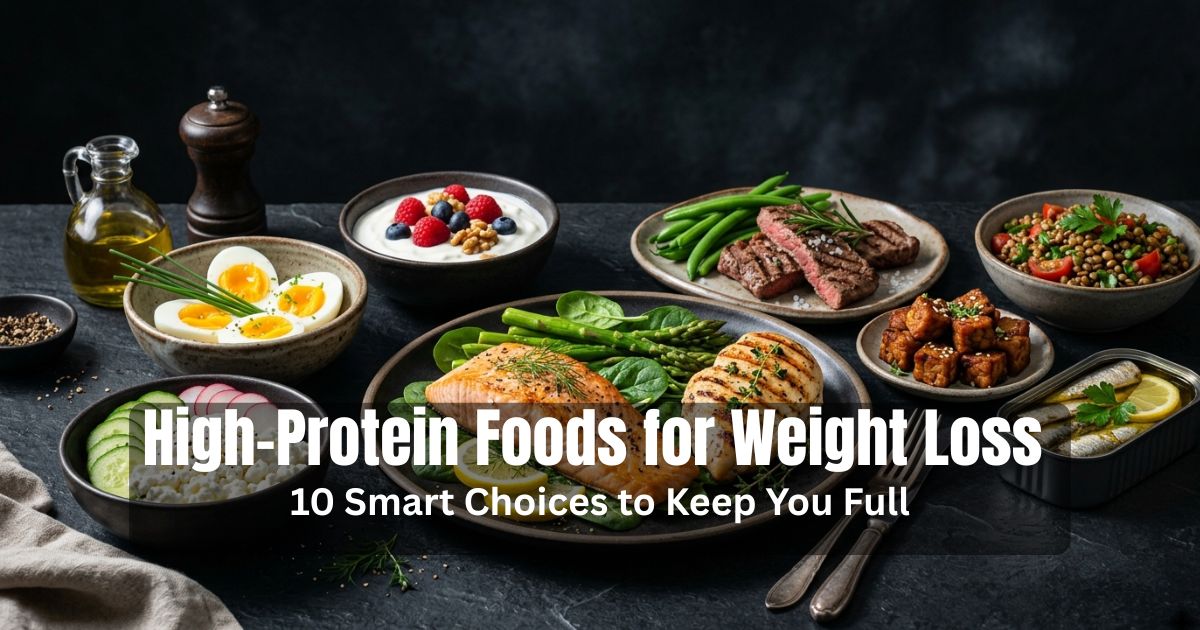
If you’re trying to lose weight, constantly feeling hungry can make healthy eating difficult to maintain. One simple strategy is to make protein a regular part of your meals. Protein can help you feel satisfied, support lean muscle, and make a balanced weight-loss routine easier to follow.
But not all protein foods offer exactly the same nutritional benefits. Some provide healthy fats, some are rich in essential nutrients, and plant-based options can provide protein along with other valuable nutrients.
From eggs and salmon to Greek yogurt, cottage cheese, tempeh, and sardines, here are 10 protein-rich foods worth adding to your diet.
Why Does Protein Matter for Weight Loss?
Protein is an essential nutrient involved in building and maintaining muscles and other tissues. It can also help with appetite control because protein-rich meals tend to be satisfying.
This can be particularly useful during weight loss, when reducing overall food intake may otherwise leave you feeling hungry.
Protein is also important for preserving lean muscle while losing body weight. Combining adequate protein with resistance exercise can be especially helpful for maintaining muscle.
However, protein alone does not cause weight loss. Your overall eating pattern, portion sizes, physical activity, sleep, and consistency all contribute to successful weight management.
1. Eggs
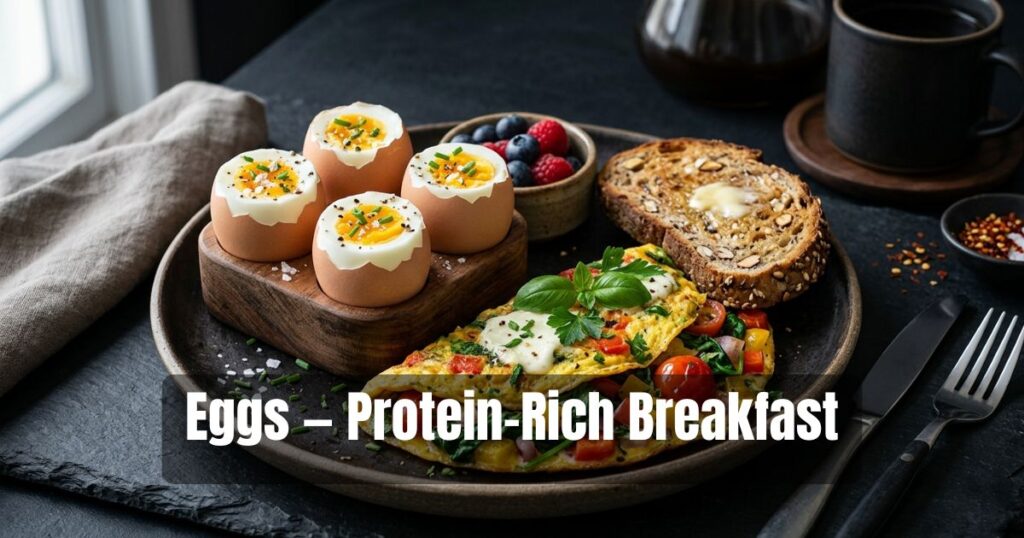
Eggs are one of the most convenient protein foods. One large egg provides around 6 grams of protein, so eggs are best viewed as part of a meal rather than your only protein source.
They are particularly useful at breakfast. Pairing eggs with vegetables and whole-grain toast can create a more balanced and satisfying meal.
You can enjoy them boiled, scrambled, poached, or as a vegetable omelet. Their affordability and versatility make them an easy choice for everyday meals.
2. Salmon
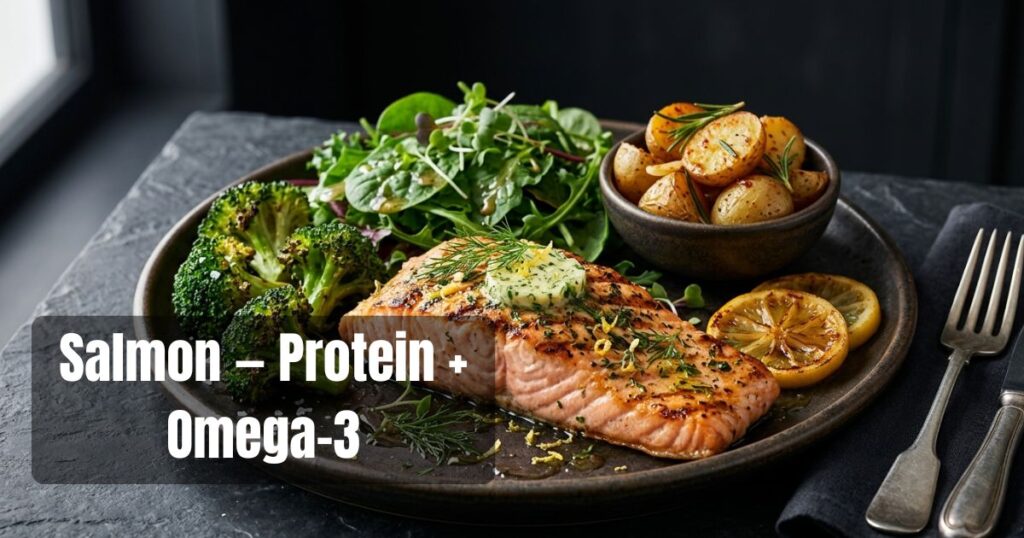
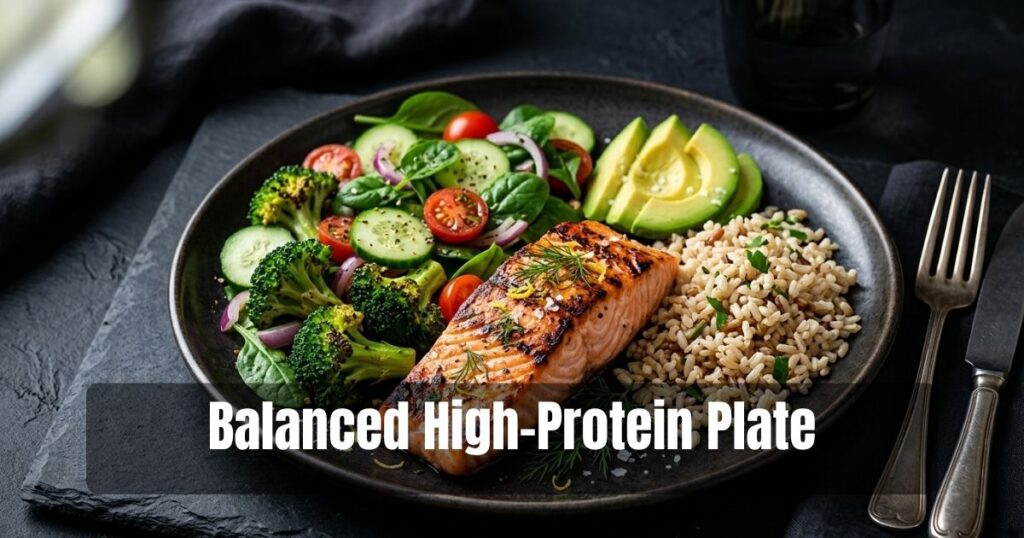
Salmon provides a substantial amount of protein along with omega-3 fatty acids. Around 3 ounces of cooked salmon provides approximately 22 grams of protein.
Omega-3 fats are an important reason to include fatty fish in a balanced diet. Salmon also provides nutrients such as selenium.
Try baked or grilled salmon with vegetables and a moderate serving of potatoes, brown rice, or another whole-food carbohydrate.
3. Whey Protein
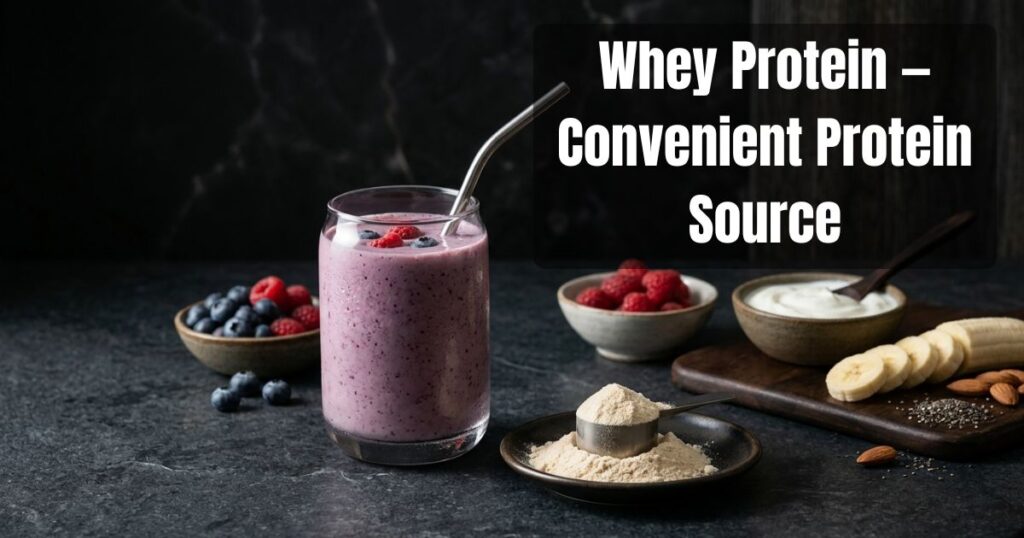
Whey protein is a convenient option when getting enough protein from regular meals is difficult. It is a high-quality protein source and can be particularly useful around exercise or as part of a quick snack.
You can mix whey protein into a smoothie with yogurt, fruit, or milk. However, protein powder should complement a nutritious diet rather than replace most whole-food protein sources.
When choosing a product, check the nutrition label for protein content, added sugar, and other ingredients.
4. Lean Beef
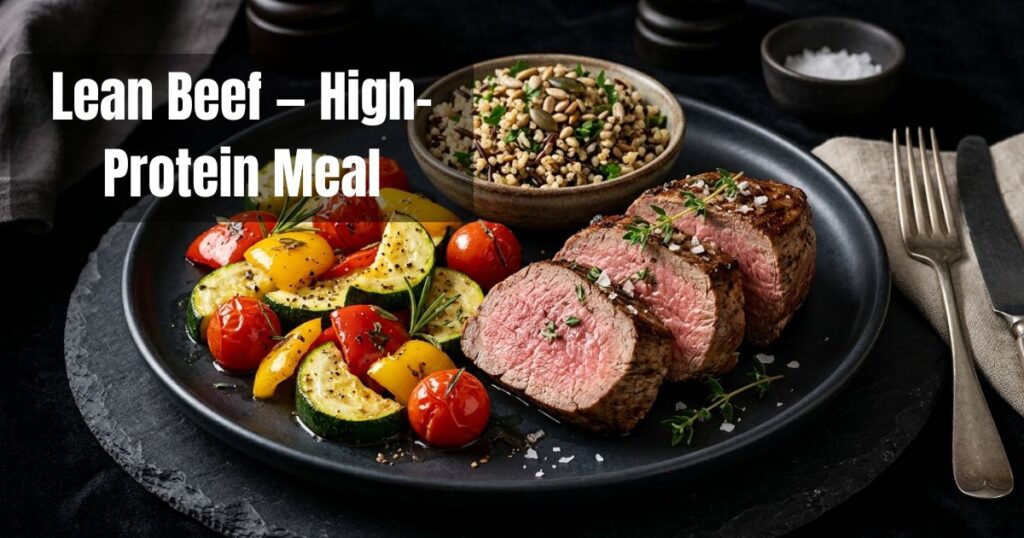
Lean beef can provide a significant amount of protein along with nutrients such as iron and vitamin B12. Around 3 ounces of cooked beef provides roughly 22 grams of protein, although the exact amount varies by cut.
Ground beef can be particularly versatile. You can use it in tacos, vegetable-based pasta sauces, stuffed vegetables, or homemade bowls.
Choose leaner cuts when appropriate and keep portions moderate, especially when your overall goal is reducing calorie intake.
5. Chicken
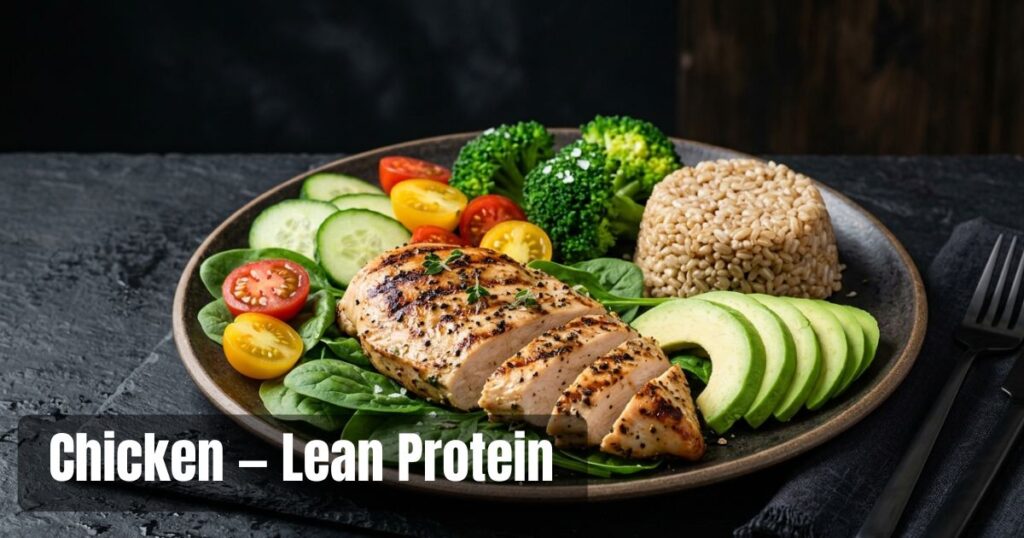
Chicken is a popular high-protein food because it provides substantial protein and can be prepared in countless ways.
Approximately 3 ounces of cooked chicken breast can provide around 27–28 grams of protein.
Grilled, baked, roasted, or air-fried chicken can be paired with vegetables and a moderate serving of whole grains or potatoes.
Chicken is relatively lean, so adding a small amount of healthy fat, such as avocado or olive oil, can help create a more satisfying meal.
6. Greek Yogurt
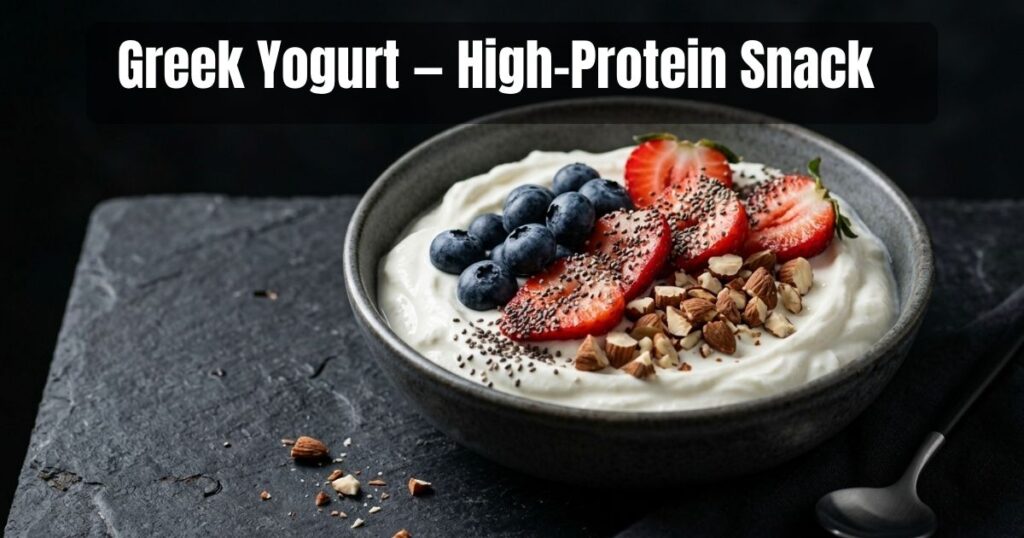
Greek yogurt is an easy way to increase protein intake at breakfast or snack time. One cup can provide around 20 grams of protein, depending on the brand.
Plain Greek yogurt can be combined with berries, fruit, chia seeds, or nuts. It can also be added to smoothies or used as a base for savory dips.
If you’re watching your added sugar intake, compare nutrition labels and choose options without unnecessary added sugars.
7. Tempeh and Fermented Soy Foods
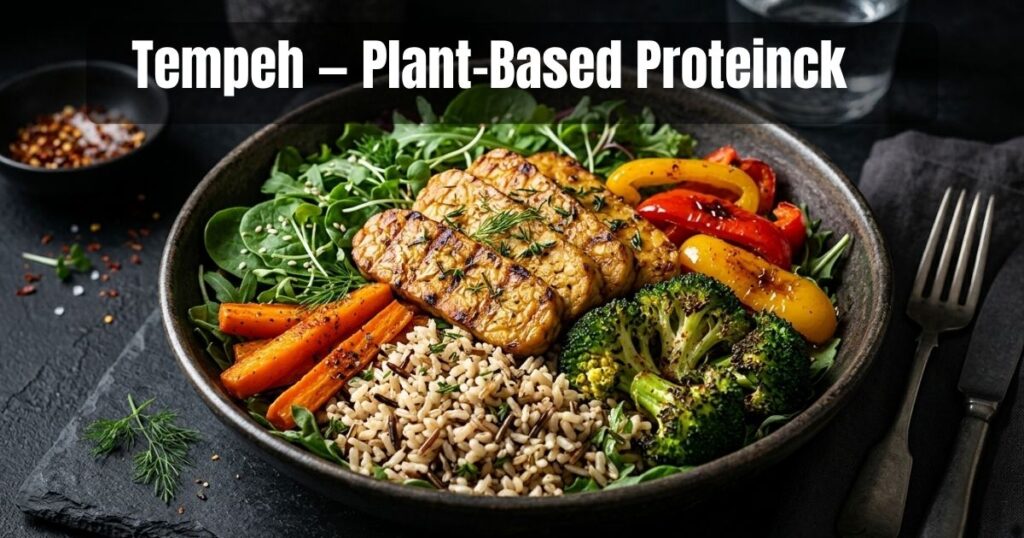
Plant-based eaters have plenty of protein options, and fermented soy foods such as tempeh can be particularly useful.
Tempeh can be sliced, grilled, crumbled, or added to stir-fries. It can also be seasoned and used in tacos or other dishes where you might normally use ground meat.
Pairing plant proteins with a varied diet of legumes, grains, vegetables, nuts, and seeds can help you obtain a broad range of nutrients.
8. Pork Tenderloin
Pork can also be a high-quality source of protein. A lean cut such as pork tenderloin provides approximately 24 grams of protein per 3 ounces when cooked, according to the transcript.
If you eat pork, choose lean cuts and use preparation methods such as grilling, baking, or roasting rather than relying on heavily fried preparations.
As with other meats, portion size and the overall meal matter when your goal is weight management.
9. Cottage Cheese

Cottage cheese is particularly protein-rich, with approximately 24–28 grams of protein per cup depending on the product.
It can be eaten straight from the container, making it a convenient option for busy days.
For a sweet combination, try cottage cheese with berries and a small amount of peanut butter. For a savory option, combine it with cucumber, tomatoes, herbs, black pepper, or avocado.
Check the label for added sugar and sodium when choosing a product.
10. Sardines and Anchovies
Sardines and anchovies are small fatty fish that provide protein as well as omega-3 fatty acids.
They can be especially convenient because canned varieties require little preparation. Add them to salads, whole-grain toast, sandwiches, or homemade meals.
The transcript also highlights research examining fish oil and abdominal fat, but this should not be interpreted as meaning that eating sardines or taking fish oil specifically burns belly fat. Weight loss occurs through overall energy balance and sustainable lifestyle habits.
How to Include More Protein in Your Day
You don’t need to completely change your diet to eat more protein. Start by adding a protein source to each main meal.
Breakfast: Eggs with vegetables or Greek yogurt with berries.
Lunch: Grilled chicken or salmon with a large salad.
Snack: Cottage cheese, Greek yogurt, or a protein shake.
Dinner: Lean beef, chicken, fish, or tempeh with vegetables and a whole-food carbohydrate.
You can also combine different protein sources throughout the week rather than eating the same foods every day.
Protein Is Only One Part of Healthy Weight Loss
A high-protein diet should still include plenty of vegetables, fruits, whole grains, legumes, and healthy fats. These foods provide fiber, vitamins, minerals, and other nutrients that protein-rich foods alone cannot provide.
Portion sizes also matter. Even nutritious foods can contribute significant calories when eaten in large amounts, particularly calorie-dense foods such as nuts, cheese, fatty meats, and oils.
The goal is not to eliminate carbohydrates or fats. Instead, build balanced meals that provide protein, fiber, and nutrients while fitting your individual calorie needs.
The Bottom Line
Adding protein-rich foods to your meals can be a practical strategy for supporting weight loss. Eggs, salmon, whey protein, lean beef, chicken, Greek yogurt, tempeh, pork tenderloin, cottage cheese, sardines, and anchovies all offer useful ways to increase protein intake.
The best choice is the one you enjoy, can afford, and can consistently include in a balanced diet.
Remember, there is no single food that melts away body fat. Sustainable weight loss comes from a combination of balanced nutrition, appropriate portions, regular physical activity, adequate sleep, and habits you can maintain over time.
References
- Hansen TT, Astrup A, Sjödin A. Are Dietary Proteins the Key to Successful Body Weight Management? A Systematic Review and Meta-Analysis of Studies Assessing Body Weight Outcomes after Interventions with Increased Dietary Protein. Nutrients. 2021;13(9):3193. (PubMed)
- de Carvalho KMB, Pizato N, Botelho PB, Dutra ES, Gonçalves VSG. Dietary protein and appetite sensations in individuals with overweight and obesity: a systematic review. European Journal of Nutrition. 2020;59(6):2317–2332. (PubMed)
- Dhillon J, Craig BA, Leidy HJ, et al. The Effects of Increased Protein Intake on Fullness: A Meta-Analysis and Its Limitations. Journal of the Academy of Nutrition and Dietetics. 2016;116(6):968–983. (PubMed)
- Kokura Y, Ueshima J, Saino Y, Maeda K. Enhanced protein intake on maintaining muscle mass, strength, and physical function in adults with overweight/obesity: A systematic review and meta-analysis. Clinical Nutrition ESPEN. 2024. (PubMed)
- López-Gómez JJ, Ramos-Bachiller B, Rico-Bargues D, De Luis-Román DA. Effectiveness of Whey Protein Supplementation in Weight Loss Interventions for Patients with Obesity: A Systematic Review. Nutrients. 2026;18(4):695. (PubMed)
- Bender N, Portmann M, Heg Z, Hofmann K, Zwahlen M, Egger M. Fish or n3-PUFA intake and body composition: a systematic review and meta-analysis. Obesity Reviews. 2014;15(8):657–665. (PubMed)