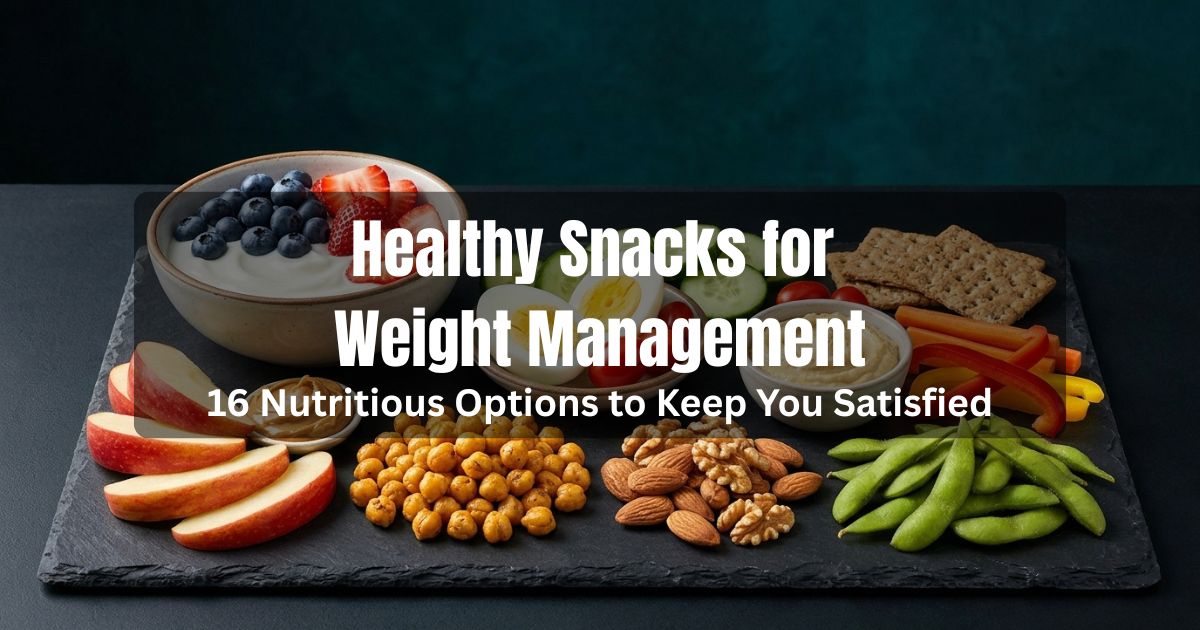
When you’re trying to manage your weight, snacks don’t have to be the enemy. The right snack can help control hunger between meals, provide important nutrients, and make it easier to maintain a balanced eating pattern.
The goal isn’t to eliminate snacks or give up your favorite foods. Instead, focus on nutrient quality, reasonable portions, and satisfying combinations. Pairing protein, fiber, healthy fats, fruits, vegetables, and whole grains can help you build snacks that are both enjoyable and nourishing.
Here are 16 practical snack ideas you can incorporate into a weight-management lifestyle.
Why Healthy Snacks Matter for Weight Management
Hunger between meals is normal. If you become extremely hungry, it may be harder to make thoughtful food choices at your next meal. A nutritious snack can help bridge that gap.
Protein and fiber are particularly useful components because they can contribute to feelings of fullness. Fruits and vegetables also provide water, fiber, vitamins, minerals, and other beneficial plant compounds.
However, even nutritious foods contain calories. Large portions of nuts, cheese, nut butter, dressings, and other energy-dense foods can add up quickly. The aim is to choose foods that provide nutritional value and satisfaction while keeping portions appropriate for your individual needs.
16 Healthy Snacks for Weight Management
1. Mixed Nuts and Seeds
Almonds, walnuts, pistachios, pecans, and cashews provide protein, fiber, and mostly unsaturated fats. Seeds such as flaxseeds and sunflower seeds can also add nutrients and texture.
Because nuts and seeds are energy-dense, portion control is important. Measure a small serving rather than eating directly from a large packet.
For a portable option, prepare individual portions of mixed nuts and seeds to take to work or while traveling.
2. Red Bell Pepper With Guacamole
Red bell peppers are rich in vitamin C and other beneficial plant compounds. Pairing them with guacamole adds creamy texture and healthy fats.
Slice a red bell pepper into strips and serve with a modest portion of guacamole for a colorful, satisfying snack.
3. Greek Yogurt With Mixed Berries
Plain Greek yogurt is a convenient source of protein and also provides nutrients such as calcium and potassium. Berries contribute fiber and antioxidant compounds.
Try plain Greek yogurt topped with a mixture of strawberries, blueberries, or raspberries. Choose unsweetened yogurt when possible to avoid unnecessary added sugar.
4. Apple Slices With Peanut Butter
Apples provide fiber and natural sweetness, while peanut butter adds protein and unsaturated fats.
Slice one apple and pair it with a small serving of peanut butter. Since peanut butter is calorie-dense, a modest portion is usually enough.
5. Cottage Cheese With Flaxseed and Cinnamon
Cottage cheese can provide a substantial amount of protein, while ground flaxseed contributes fiber and healthy fats.
Add a small amount of cinnamon for flavor. You can enjoy this combination as a simple bowl or turn it into a pudding-style snack.
6. Homemade Kale Chips
If you crave something crunchy, homemade kale chips can be an alternative to some highly processed snack foods.
Wash and thoroughly dry kale, remove the tough stems, lightly coat the leaves with a small amount of oil, and season with herbs or spices before baking until crisp.
Keep added oil and salt moderate.
7. Celery Sticks With Cream Cheese
Celery provides crunch and volume, while a small amount of cream cheese adds richness.
For better portion control, spread a modest amount of cream cheese over several celery sticks rather than using a large serving.
8. Dark Chocolate With Almonds
You don’t have to completely eliminate chocolate while managing your weight.
A small portion of dark chocolate paired with almonds can provide a satisfying combination of sweetness, crunch, healthy fats, and protein.
Look for dark chocolate with a higher cocoa percentage and pay attention to portion size, as both chocolate and nuts can be calorie-dense.
9. Cucumber With Hummus
Cucumber slices are refreshing and provide water and nutrients, while hummus made from chickpeas contributes fiber, plant-based protein, and healthy fats.
Try cucumber rounds or sticks with a modest serving of hummus for an easy savory snack.
10. A Piece of Whole Fruit
Sometimes the simplest option is one of the most convenient.
Apples, bananas, pears, oranges, and grapes can all work as portable snacks. Whole fruit provides carbohydrates, fiber, vitamins, minerals, and naturally occurring sugars.
Keep a piece of fruit visible and ready to grab when you need a quick snack.
11. Cherry Tomatoes With Mozzarella
Cherry tomatoes paired with mozzarella make a simple savory snack. Tomatoes provide vitamin C and plant compounds, while mozzarella contributes protein and other nutrients.
For extra flavor, add fresh basil and a small amount of black pepper.
12. Chia Pudding
Chia seeds are rich in fiber and can absorb liquid to create a pudding-like texture.
Mix chia seeds with milk or unsweetened yogurt and allow the mixture to thicken. Add berries or a small amount of fruit for natural sweetness.
Because chia seeds are calorie-dense despite their small size, keep portions appropriate.
13. Hard-Boiled Eggs
Hard-boiled eggs are convenient, portable, and rich in protein. They can be eaten alone or paired with vegetables such as cucumber, tomatoes, or carrots.
Season with black pepper, paprika, or herbs for extra flavor without complicated preparation.
14. Baby Carrots With a Yogurt-Based Dip
Carrots provide beta-carotene and fiber and can satisfy the desire for something crunchy.
Instead of relying on a large amount of high-calorie dressing, try pairing baby carrots with a modest portion of plain Greek yogurt mixed with herbs and spices.
15. A Small Portion of Cheese
Cheese can be part of a balanced snack, particularly when paired with fruit or vegetables.
Try a small piece of cheese with apple slices, cucumber, or whole-grain crackers. Since cheese can be relatively energy-dense, portion size remains important.
16. Lower-Sugar Beef Jerky
Beef jerky or beef sticks can be convenient when you’re traveling or need a protein-rich snack.
However, check the nutrition label carefully. Some varieties contain considerable amounts of added sugar and sodium. Choose options with a simple ingredient list and compare products before buying.
How to Build a Better Snack
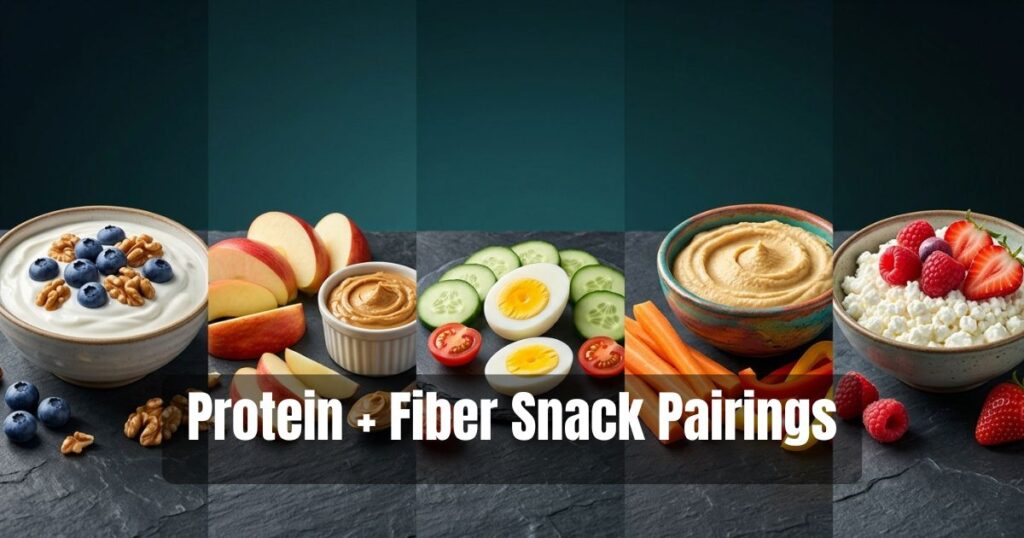
You don’t need a complicated recipe every time you feel hungry. A simple way to build a satisfying snack is to combine two or more food groups.
For example:
Fruit + protein: Apple with Greek yogurt
Vegetables + healthy fat: Bell pepper with guacamole
Vegetables + protein: Cucumber with cottage cheese
Fruit + healthy fat: Apple with peanut butter
Whole grains + protein: Whole-grain crackers with cheese
Protein + fruit: Cottage cheese with berries
This approach can provide a more balanced combination of nutrients than choosing a snack based mainly on refined carbohydrates or added sugar.
Don’t Forget Portion Size
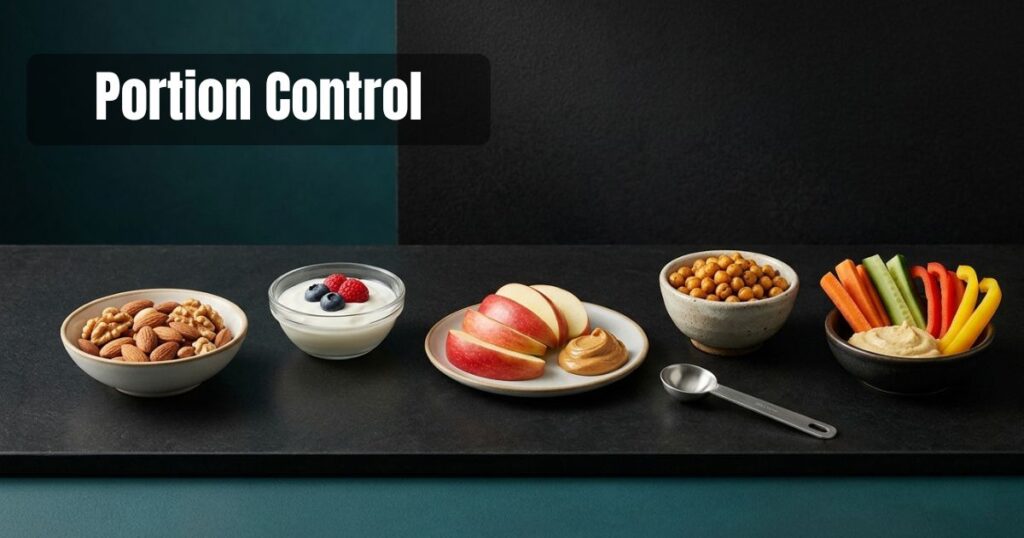
A food can be nutritious and still contribute more calories than you need if the portion is very large.
This is particularly important with nuts, seeds, peanut butter, cheese, chocolate, guacamole, and hummus. Instead of eating directly from a package or container, portion your snack into a bowl or small container.
Pay attention to your body’s hunger and fullness signals, and consider whether you’re eating because you’re physically hungry or because you’re bored, stressed, tired, or simply surrounded by food.
Plan Your Snacks in Advance
Preparation can make healthy choices easier.
Keep fruit where you can see it. Wash and cut vegetables ahead of time. Prepare boiled eggs in advance and portion nuts into small containers. Keep plain yogurt, hummus, and other convenient options available in your refrigerator.
Having nutritious foods ready can reduce the temptation to grab highly processed snacks when hunger suddenly appears.
The Bottom Line
Healthy snacking can fit comfortably into a weight-management lifestyle. You don’t need expensive diet products or a completely restrictive eating plan.
Instead, choose satisfying foods such as fruit, vegetables, yogurt, eggs, nuts, seeds, legumes, whole grains, and moderate portions of cheese or dark chocolate.
Remember that no individual snack causes weight loss. Your overall eating pattern, activity level, sleep, and lifestyle habits matter far more than one food choice.
Choose snacks you genuinely enjoy, keep portions reasonable, and focus on consistency rather than perfection. Small, sustainable choices can become part of a healthier lifestyle over time.
References
Centers for Disease Control and Prevention (CDC). Healthy Eating for a Healthy Weight.
Harvard T.H. Chan School of Public Health. The Nutrition Source: Snacking.
Harvard T.H. Chan School of Public Health. The Nutrition Source: Nuts and Peanuts.
U.S. Department of Agriculture. MyPlate: Healthy Eating.
U.S. Department of Agriculture. FoodData Central.