Sleep is more than just a time for rest—it is one of the most important pillars of good health. While many people focus on diet and exercise, quality sleep is equally essential for maintaining emotional balance, brain function, and overall well-being.
Research shows that sleep and mental health are closely connected. Poor sleep can increase the risk of stress, anxiety, depression, and difficulty concentrating, while mental health conditions can make it harder to fall asleep or stay asleep. This two-way relationship means that improving your sleep can have a positive impact on your mental well-being, and supporting your mental health can also lead to better sleep.
In this guide, you’ll learn how sleep affects the brain, the impact of sleep deprivation on mental health, common sleep disorders, and practical, science-backed tips to improve both sleep quality and emotional wellness.
Understanding the Connection Between Sleep and Mental Health
Sleep and mental health share a bidirectional relationship, meaning they influence each other.
Healthy sleep allows the brain to process emotions, strengthen memories, regulate stress hormones, and restore energy. When sleep is disrupted, these essential functions are affected, making it more difficult to manage emotions and cope with daily challenges.
At the same time, conditions such as anxiety, depression, and chronic stress often interfere with healthy sleep, creating a cycle in which poor sleep worsens mental health, and poor mental health leads to even more sleep problems.
How Sleep Affects the Brain
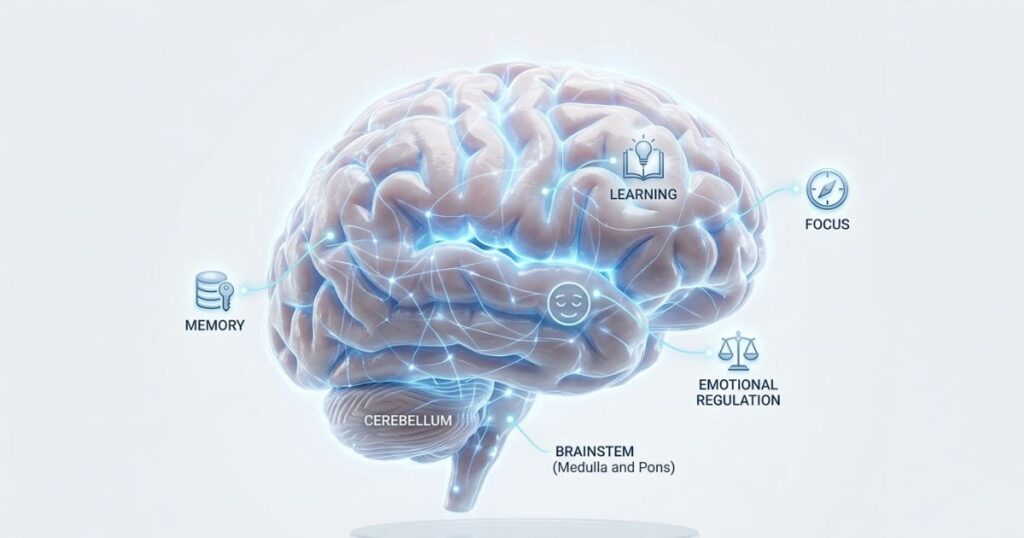
Your brain remains highly active while you sleep. Different stages of sleep support different aspects of mental health.
Deep sleep helps the brain and body recover from daily stress, supports tissue repair, strengthens the immune system, and restores energy.
Rapid Eye Movement (REM) sleep is especially important for emotional regulation and memory processing. During this stage, the brain organizes experiences, stores memories, and processes emotions, helping you respond more calmly to stressful situations.
Without enough deep and REM sleep, emotional control becomes more difficult. This is why even one night of poor sleep can leave you feeling irritable, anxious, or mentally exhausted.
How Poor Sleep Affects Mental Health
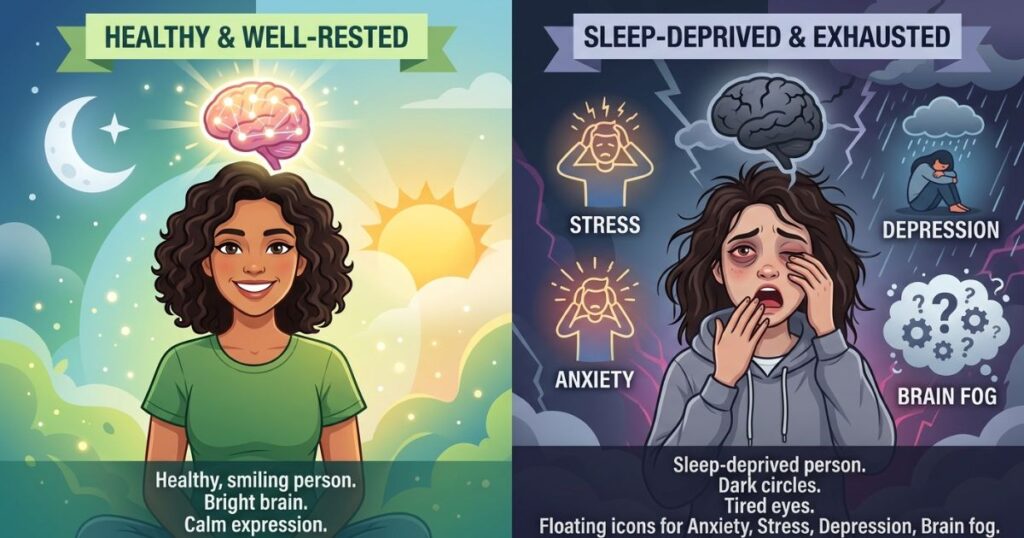
Chronic sleep deprivation can affect nearly every aspect of emotional well-being.
Increased Anxiety
Lack of sleep makes the brain more sensitive to stress. Small problems may feel overwhelming, and you may experience excessive worrying, racing thoughts, restlessness, or difficulty relaxing.
To learn about the common signs and symptoms of anxiety, read our detailed guide on Signs and Symptoms of Anxiety. Click on the link given below
https://bit.ly/4gKWfMW: The Connection Between Sleep and Mental Health: Why Quality Sleep MattersHigher Risk of Depression
Sleep disturbances are common among people living with depression. Difficulty falling asleep, waking frequently during the night, or sleeping too much can all affect mood. Improving sleep quality may help reduce depressive symptoms when combined with appropriate treatment.
Mood Changes
Poor sleep often leads to irritability, frustration, mood swings, and reduced patience. These emotional changes can affect relationships, work performance, and overall quality of life.
Difficulty Concentrating
Sleep is essential for attention, learning, memory, and decision-making. Poor-quality sleep may lead to brain fog, forgetfulness, slower thinking, and reduced productivity.
Common Sleep Disorders That Can Affect Mental Health
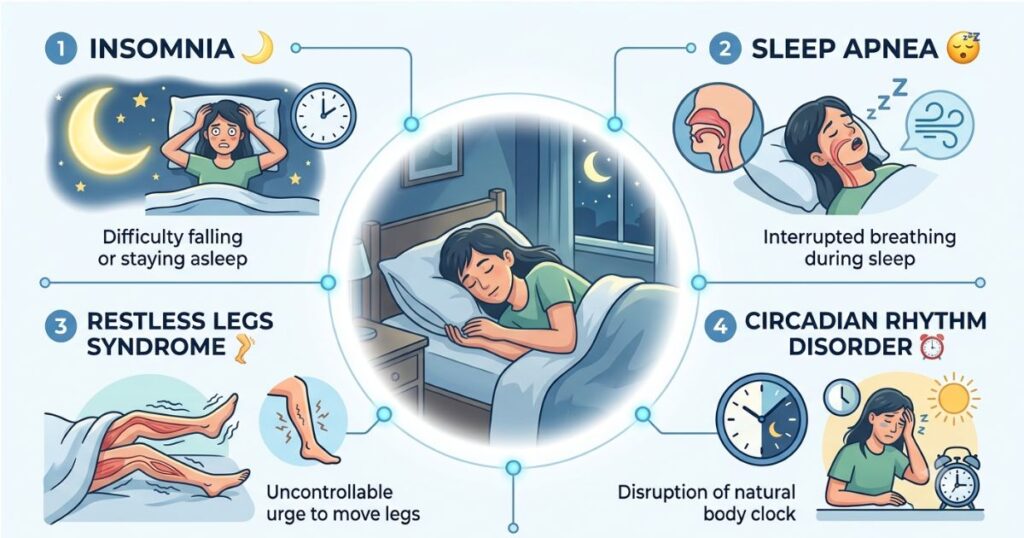
Some sleep disorders have a significant impact on emotional well-being.
Insomnia
Insomnia is the persistent difficulty falling asleep, staying asleep, or waking too early. Long-term insomnia is closely linked with anxiety and depression.
Sleep Apnea
Sleep apnea causes repeated pauses in breathing during sleep, reducing sleep quality and leading to excessive daytime tiredness, memory problems, and mood changes.
Restless Legs Syndrome
This condition creates an uncomfortable urge to move the legs while resting, making it difficult to fall asleep or remain asleep.
If sleep problems continue for several weeks despite healthy lifestyle changes, it is important to seek medical advice.
Healthy Habits for Better Sleep and Mental Health
Small daily habits can make a big difference in improving both sleep quality and emotional well-being.
Maintain a Consistent Sleep Schedule
Go to bed and wake up at the same time every day, including weekends. A regular schedule helps regulate your body’s internal clock and promotes better-quality sleep.
Create a Relaxing Bedtime Routine
Spend the last 30–60 minutes before bed doing calming activities such as reading, gentle stretching, deep breathing, or listening to relaxing music. Avoid work-related tasks and stressful conversations before bedtime.
Limit Screen Time
The blue light from phones, tablets, and computers can reduce melatonin production, making it harder to fall asleep. Try to avoid screens for at least 30–60 minutes before bed.
Stay Physically Active
Regular exercise supports deeper sleep, reduces stress, and improves mood. Aim for at least 150 minutes of moderate physical activity each week, but avoid intense exercise close to bedtime.
Eat a Balanced Diet
A diet rich in fruits, vegetables, whole grains, lean protein, and healthy fats supports both brain health and quality sleep. Limit caffeine, alcohol, and heavy meals in the evening, as they may interfere with restful sleep.
Manage Daily Stress
Practicing mindfulness, meditation, journaling, or deep breathing exercises can help calm your mind before bedtime and reduce the impact of stress on sleep.
Make Your Bedroom Sleep-Friendly
Create an environment that encourages restful sleep by keeping your bedroom cool, quiet, dark, and comfortable. A supportive mattress and pillow can also improve sleep quality.
When Should You Seek Professional Help?
Occasional sleep problems are normal, especially during stressful periods. However, you should consult a healthcare professional if you:
- Have trouble sleeping for more than three weeks.
- Feel constantly tired despite getting enough sleep.
- Snore loudly or stop breathing during sleep.
- Experience persistent anxiety or depression.
- Notice that poor sleep is affecting your work, relationships, or daily activities.
Early diagnosis and treatment can improve both sleep quality and mental health.
Frequently Asked Questions
Can poor sleep cause anxiety?
Poor sleep increases stress levels and can make anxiety symptoms worse. Although it may not be the only cause, chronic sleep deprivation is a significant risk factor for anxiety.
Can lack of sleep lead to depression?
Long-term sleep problems are associated with an increased risk of depression. Improving sleep habits may help reduce symptoms as part of a comprehensive treatment plan.
How many hours of sleep do adults need?
Most healthy adults should aim for 7–9 hours of quality sleep each night.
What is the best natural way to improve sleep?
Following a consistent sleep schedule, limiting screen time before bed, staying physically active, managing stress, and creating a relaxing bedtime routine are among the most effective natural strategies.
Can improving sleep improve mental health?
Yes. Better sleep supports emotional regulation, reduces stress, improves concentration, and contributes to better overall mental well-being.
Conclusion
Sleep is one of the foundations of good mental health. It helps regulate emotions, strengthen memory, improve concentration, and prepare the brain to handle everyday stress. At the same time, ongoing sleep problems can increase the risk of anxiety, depression, mood changes, and reduced cognitive performance.
The good news is that small, consistent lifestyle changes can improve both sleep quality and emotional well-being. Prioritizing a regular sleep schedule, practicing healthy sleep habits, staying active, eating a balanced diet, and managing stress can have lasting benefits for your mind and body.
If sleep difficulties persist despite making these changes, don’t hesitate to seek professional guidance. Investing in better sleep is one of the most effective steps you can take toward a healthier, happier, and more balanced life.
References
- World Health Organization (WHO). Mental Health. https://www.who.int/health-topics/mental-health
- National Institute of Mental Health (NIMH). Caring for Your Mental Health. https://www.nimh.nih.gov/health/topics/caring-for-your-mental-health
- Centers for Disease Control and Prevention (CDC). About Sleep. https://www.cdc.gov/sleep/
- American Academy of Sleep Medicine (AASM). Healthy Sleep. https://aasm.org/
- National Heart, Lung, and Blood Institute (NHLBI). Sleep Health. https://www.nhlbi.nih.gov/health/sleep
- Sleep Foundation. Sleep and Mental Health. https://www.sleepfoundation.org/mental-health
- Harvard Medical School – Division of Sleep Medicine. Healthy Sleep. https://healthysleep.med.harvard.edu/
- Mayo Clinic. Sleep Disorders. https://www.mayoclinic.org/diseases-conditions/sleep-disorders/