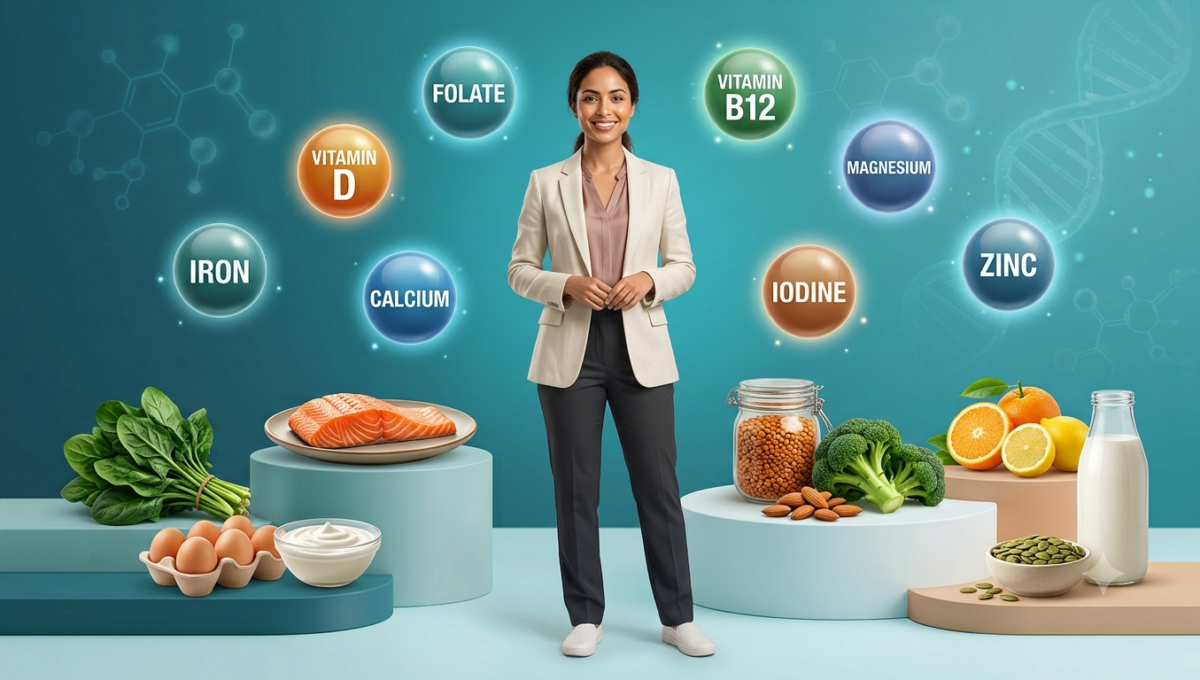
Women’s nutritional needs evolve throughout every stage of life. From adolescence and pregnancy to breastfeeding, menopause, and healthy aging, the body relies on a steady supply of vitamins and minerals to support energy production, hormone balance, immune function, bone health, and overall well-being.
Unfortunately, nutrient deficiencies are more common than many women realize. Early symptoms such as fatigue, hair loss, brittle nails, muscle cramps, poor concentration, or frequent illnesses are often mistaken for stress or a busy lifestyle. Recognizing these warning signs early can help prevent long-term health complications and improve quality of life.
In this guide, we’ll explore the most common nutrient deficiencies in women, their symptoms, possible causes, the best food sources, and simple ways to help maintain optimal health.
Why Are Women More Prone to Nutrient Deficiencies?
Women have unique nutritional requirements throughout their lives. Monthly menstrual blood loss, pregnancy, breastfeeding, hormonal changes, and menopause all increase the body’s demand for certain nutrients.
Other factors that may contribute to deficiencies include:
- Heavy menstrual bleeding
- Pregnancy and breastfeeding
- Restrictive diets or skipping meals
- Vegetarian or vegan eating patterns
- Digestive disorders that reduce nutrient absorption
- Certain medications
- Aging, which can affect nutrient absorption
- Diets high in ultra-processed foods
A balanced diet, regular physical activity, and routine medical checkups are essential for preventing nutrient deficiencies and maintaining long-term health.
Common Signs Your Body May Be Missing Essential Nutrients
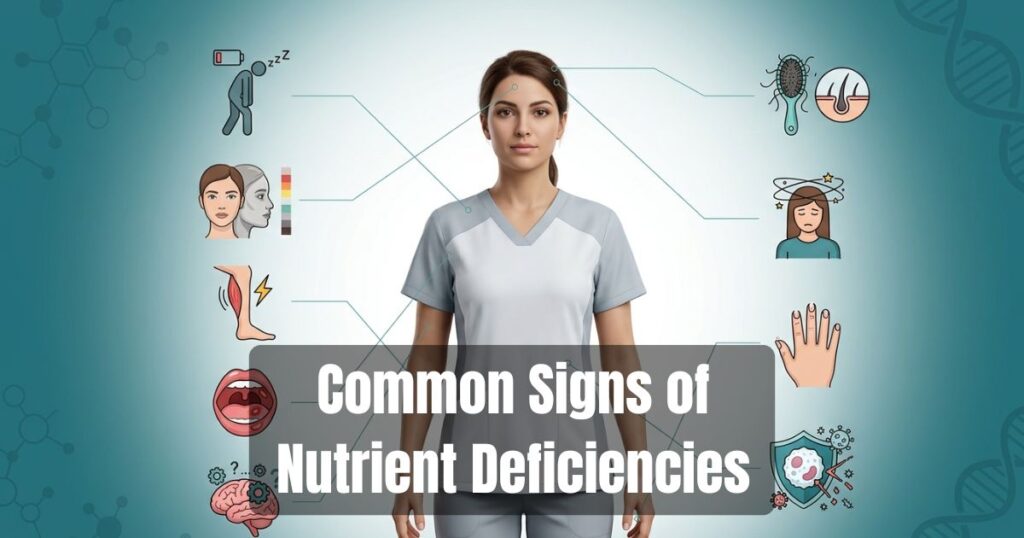
While symptoms vary depending on the nutrient involved, some common warning signs include:
- Constant fatigue or low energy
- Hair thinning or excessive hair shedding
- Brittle nails
- Frequent muscle cramps
- Pale skin
- Mouth ulcers
- Poor concentration
- Frequent infections
- Tingling or numbness in the hands and feet
- Slow wound healing
These symptoms do not always indicate a nutrient deficiency, but if they persist, it’s important to consult a healthcare professional for proper evaluation and, if necessary, blood tests.
1. Iron Deficiency
Iron deficiency is one of the most common nutritional deficiencies among women worldwide. Iron is essential for producing hemoglobin, the protein in red blood cells responsible for carrying oxygen throughout the body.
Women who experience heavy menstrual bleeding, pregnancy, or consume inadequate dietary iron are at a higher risk.
Common Symptoms
- Persistent fatigue
- Weakness
- Pale skin
- Dizziness
- Shortness of breath
- Frequent headaches
- Cold hands and feet
- Brittle nails
- Difficulty concentrating
Some people with iron deficiency may also experience unusual cravings for non-food items such as ice, a condition known as pica. The transcript also highlights ice cravings as a potential sign associated with iron deficiency.
Common Causes
- Heavy menstrual periods
- Pregnancy
- Low dietary iron intake
- Blood loss
- Poor iron absorption
Best Food Sources
- Lean red meat
- Chicken
- Fish
- Lentils
- Beans
- Spinach
- Pumpkin seeds
- Iron-fortified cereals
Healthy Tip: Pair iron-rich foods with vitamin C-rich foods such as oranges, kiwi, strawberries, or bell peppers to improve iron absorption.
2. Vitamin D Deficiency
Vitamin D plays an important role in maintaining strong bones, supporting muscle function, regulating the immune system, and helping the body absorb calcium.
Many women have low vitamin D levels due to limited sunlight exposure, spending most of the day indoors, or inadequate dietary intake.
Common Symptoms
- Bone pain
- Muscle weakness
- Fatigue
- Frequent illnesses
- Low mood
- Slow wound healing
The video transcript also identifies deep bone pain, especially around the hips, lower back, and thighs, as a possible symptom of vitamin D deficiency.
Common Causes
- Limited sunlight exposure
- Darker skin pigmentation
- Aging
- Obesity
- Certain kidney or liver conditions
Best Food Sources
- Salmon
- Sardines
- Mackerel
- Egg yolks
- Fortified milk
- Fortified yogurt
- Fortified cereals
Safe sunlight exposure, combined with a balanced diet, can help maintain healthy vitamin D levels. If a deficiency is confirmed, your healthcare provider may recommend supplements based on your individual needs.
3. Calcium Deficiency
Calcium is well known for building and maintaining strong bones and teeth, but it also supports healthy muscles, nerves, and heart function.
Women become especially vulnerable to calcium deficiency after menopause because declining estrogen levels can accelerate bone loss.
Common Symptoms
- Muscle cramps
- Tingling in the fingers
- Weak or brittle nails
- Tooth problems
- Bone pain
- Frequent fractures
- Osteoporosis over time
Common Causes
- Low calcium intake
- Vitamin D deficiency
- Hormonal changes
- Poor nutrient absorption
Best Food Sources
- Milk
- Yogurt
- Cheese
- Tofu
- Broccoli
- Kale
- Sardines
- Fortified plant-based milk
Healthy Tip: Calcium works best alongside vitamin D, which helps your body absorb it efficiently.
4. Vitamin B12 Deficiency
Vitamin B12 is essential for healthy nerve function, red blood cell production, and normal brain function.
Because it is naturally found mostly in animal-based foods, vegetarians, vegans, older adults, and people with digestive disorders may be at greater risk of deficiency.
The transcript also notes that vitamin B12 deficiency may contribute to mouth ulcers and nerve-related symptoms, highlighting its importance for healthy red blood cells and the nervous system.
Common Symptoms
- Persistent fatigue
- Weakness
- Pale skin
- Tingling or numbness in the hands and feet
- Memory problems
- Difficulty concentrating
- Mood changes
- Mouth ulcers
Common Causes
- Vegetarian or vegan diets
- Digestive disorders
- Aging
- Certain medications that reduce nutrient absorption
Best Food Sources
- Fish
- Lean meat
- Eggs
- Dairy products
- Fortified breakfast cereals
- Fortified plant-based milk
If you follow a plant-based diet, discuss vitamin B12 supplementation with your healthcare provider to ensure you’re meeting your daily needs.
5. Folate (Vitamin B9) Deficiency
Folate is essential for DNA synthesis, healthy cell growth, and red blood cell production. It is particularly important for women who are planning to become pregnant or are already pregnant because it supports healthy fetal development and helps reduce the risk of neural tube defects.
The transcript also highlights folate’s role in supporting healthy cell function and notes that early graying of hair may be associated with folate deficiency, although premature graying has multiple possible causes and should not be considered a specific sign on its own.
Common Symptoms
- Fatigue
- Weakness
- Mouth sores
- Swollen tongue
- Poor concentration
- Irritability
- Anemia
Common Causes
- Poor dietary intake
- Pregnancy
- Certain medications
- Excessive alcohol consumption
- Digestive disorders
Best Food Sources
- Spinach
- Kale
- Broccoli
- Lentils
- Chickpeas
- Avocados
- Citrus fruits
- Fortified grains
Healthy Tip: Women planning pregnancy should discuss folic acid supplementation with their healthcare provider before conception.
6. Magnesium Deficiency
Magnesium is involved in more than 300 biochemical reactions in the body. It supports muscle and nerve function, energy production, blood sugar regulation, blood pressure, and healthy sleep.
The transcript mentions eye twitching and muscle cramps as common symptoms associated with magnesium deficiency.
Common Symptoms
- Muscle cramps
- Eye twitching
- Fatigue
- Difficulty sleeping
- Anxiety
- Headaches
- Weakness
Common Causes
- Poor dietary intake
- Diabetes
- Certain digestive disorders
- Some medications
- Excessive alcohol use
Best Food Sources
- Pumpkin seeds
- Almonds
- Cashews
- Spinach
- Black beans
- Brown rice
- Whole grains
- Dark chocolate (in moderation)
Including magnesium-rich foods regularly can support healthy muscles, better sleep, and overall wellness.
7. Iodine Deficiency
Iodine is essential for producing thyroid hormones, which regulate metabolism, growth, and energy production. Women require adequate iodine throughout life, particularly during pregnancy, to support normal fetal brain development.
Common Symptoms
- Fatigue
- Weight gain
- Feeling cold
- Dry skin
- Hair thinning
- Difficulty concentrating
- Swelling in the neck (goiter)
The transcript also discusses iodine deficiency in relation to thyroid health and fibrocystic breast changes, though these conditions have multiple contributing factors and should be evaluated by a healthcare professional.
Common Causes
- Low iodine intake
- Pregnancy
- Avoiding iodized salt
- Certain thyroid disorders
Best Food Sources
- Iodized salt
- Fish
- Shrimp
- Dairy products
- Eggs
- Seaweed (consume in moderation)
8. Zinc Deficiency
Zinc supports immune function, wound healing, skin health, DNA synthesis, and normal growth. It also plays an important role in maintaining healthy hair and reproductive health.
Common Symptoms
- Frequent infections
- Slow wound healing
- Hair loss
- Poor appetite
- Changes in taste or smell
- Skin problems
The transcript also associates low zinc levels with reduced libido and immune function, although these symptoms can have many different causes.
Common Causes
- Low dietary intake
- Vegetarian or vegan diets
- Digestive disorders
- Poor nutrient absorption
Best Food Sources
- Beef
- Chicken
- Oysters
- Pumpkin seeds
- Chickpeas
- Cashews
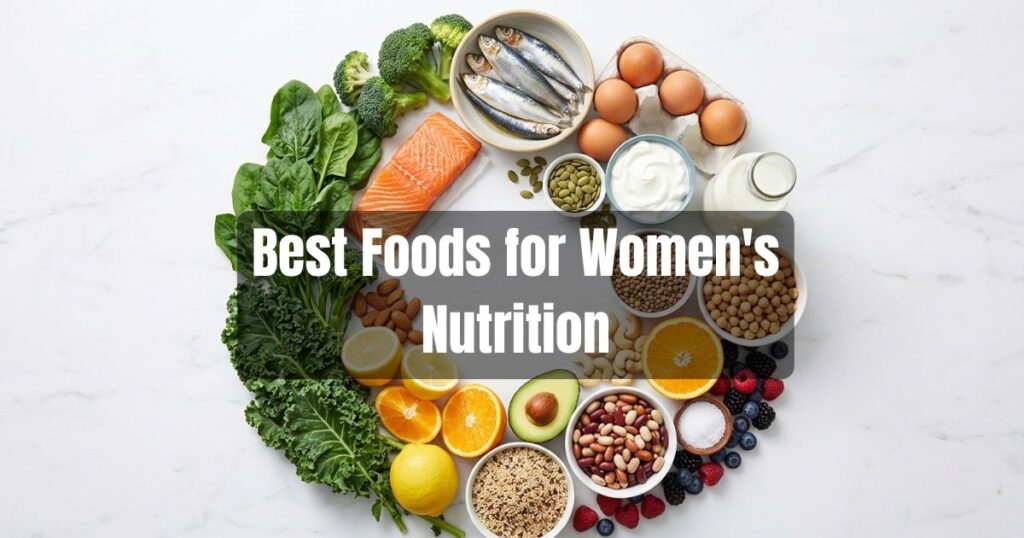
| Nutrient | Common Symptoms | Best Food Sources |
| Iron | Fatigue, dizziness, pale skin | Lean meat, spinach, lentils |
| Vitamin D | Bone pain, muscle weakness | Fatty fish, fortified dairy, sunlight |
| Calcium | Muscle cramps, weak bones | Milk, yogurt, broccoli |
| Vitamin B12 | Fatigue, tingling, mouth ulcers | Fish, eggs, dairy |
| Folate | Fatigue, anemia, mouth sores | Leafy greens, lentils, citrus |
| Magnesium | Muscle cramps, eye twitching | Pumpkin seeds, spinach, almonds |
| Iodine | Fatigue, weight gain, dry skin | Iodized salt, seafood, eggs |
| Zinc | Hair loss, poor immunity | Beef, oysters, pumpkin seeds |
Quick Reference Table
How to Prevent Nutrient Deficiencies

Many nutrient deficiencies can be prevented through simple daily habits:
- Eat a colorful variety of fruits and vegetables.
- Include lean protein with every meal.
- Choose whole grains over refined grains.
- Add healthy fats from nuts, seeds, and fish.
- Stay hydrated throughout the day.
- Spend moderate time outdoors for natural vitamin D production when appropriate.
- Exercise regularly.
- Avoid unnecessary restrictive diets.
- Have routine health checkups if you have ongoing symptoms or are at higher risk.
While supplements may be helpful in some cases, they should ideally be taken based on medical advice and, when appropriate, blood test results.
When Should You See a Healthcare Professional?
Occasional tiredness or muscle cramps can happen for many reasons, but persistent symptoms shouldn’t be ignored.
Speak with a healthcare professional if you experience:
- Ongoing fatigue
- Frequent dizziness
- Hair loss that continues for several weeks
- Tingling or numbness
- Persistent mouth ulcers
- Muscle weakness
- Recurrent fractures
- Heavy menstrual bleeding
- Frequent infections
A healthcare provider may recommend blood tests to determine whether a nutrient deficiency or another medical condition is responsible.
Frequently Asked Questions
What is the most common nutrient deficiency in women?
Iron deficiency is one of the most common nutrient deficiencies in women, particularly during the reproductive years because of menstrual blood loss.
Can nutrient deficiencies cause hair loss?
Yes. Iron, zinc, vitamin D, and vitamin B12 deficiencies may contribute to hair thinning or increased hair shedding. However, hair loss can have many different causes, so proper medical evaluation is important.
Should every woman take vitamin supplements?
Not necessarily. Most women can meet their nutritional needs through a balanced diet. Supplements should be based on individual needs and healthcare advice.
How can I know if I have a nutrient deficiency?
Persistent fatigue, weakness, pale skin, frequent illness, numbness, muscle cramps, or hair loss may indicate a deficiency, but blood tests are the most reliable way to confirm it.
Which foods provide the most essential nutrients?
A balanced diet that includes vegetables, fruits, whole grains, legumes, dairy or fortified alternatives, lean proteins, nuts, seeds, and healthy fats provides most essential nutrients for overall health.
Final Thoughts
Nutrient deficiencies can affect your energy, immune system, bones, muscles, skin, hair, and overall quality of life. Fortunately, many deficiencies are preventable through a balanced diet, healthy lifestyle habits, and regular medical care.
Instead of focusing on a single “superfood,” aim for a varied, nutrient-rich eating pattern that includes colorful fruits and vegetables, whole grains, lean proteins, healthy fats, and calcium-rich foods. Small, consistent dietary improvements can make a meaningful difference over time.
If you experience persistent symptoms such as fatigue, dizziness, muscle weakness, hair loss, or frequent illnesses, don’t ignore them. Early evaluation and appropriate treatment can help restore nutrient levels and support long-term health.
References
National Institutes of Health (NIH), Office of Dietary Supplements. Vitamin and Mineral Fact Sheets.
World Health Organization (WHO). Micronutrients.
Harvard T.H. Chan School of Public Health. The Nutrition Source.
NHS. Vitamins and Minerals.
Mayo Clinic. Nutrition and Healthy Eating.