Women’s nutritional needs evolve throughout life. From the teenage years and reproductive age to pregnancy, menopause, and healthy aging, your body requires the right balance of nutrients to function at its best.
A healthy diet does far more than satisfy hunger—it provides the building blocks your body needs to support hormone production, strengthen bones, protect your heart, improve brain function, maintain healthy skin, and keep your immune system strong.
Although no single food can solve every health concern, consistently choosing nutrient-rich foods can make a significant difference in your overall well-being. Foods such as avocados, leafy greens, berries, seeds, root vegetables, and quality protein sources provide many of the vitamins, minerals, healthy fats, and antioxidants that help support women’s health throughout every stage of life. Some of these foods are also commonly discussed for their potential role in supporting overall hormonal health, though research is still evolving in certain areas.
In this guide, you’ll discover the best foods for women’s health, why they matter, and simple ways to include them in your daily meals.
Why Nutrition Matters for Women
Women’s bodies experience unique hormonal and physiological changes throughout life. Menstruation, pregnancy, breastfeeding, perimenopause, and menopause all influence nutritional needs.
Eating a balanced diet rich in whole foods may help support:
- Healthy hormone production
- Better energy levels
- Strong bones and muscles
- Heart health
- Brain function
- Healthy skin and hair
- Digestive health
- Immune function
- Healthy weight management
Certain nutrients deserve special attention because women are more likely to become deficient in them.
These include:
- Iron
- Calcium
- Vitamin D
- Folate
- Omega-3 fatty acids
- Magnesium
- Protein
- Fiber
Rather than following restrictive diets, focus on eating a wide variety of colorful, minimally processed foods every day.
1. Avocados
Avocados are one of the most nutrient-dense fruits you can add to your diet. They contain heart-healthy monounsaturated fats, fiber, potassium, folate, and vitamin E, making them an excellent choice for overall wellness.
Healthy fats are particularly important because they help your body absorb fat-soluble vitamins such as vitamins A, D, E, and K. They also contribute to healthy cell function and support normal hormone production.
Research also suggests that the healthy fats and fiber found in avocados may help improve satiety, making it easier to maintain a healthy weight.
Key Benefits
- Rich in healthy monounsaturated fats
- Supports heart health
- Helps maintain steady energy
- Provides potassium for healthy blood pressure
- Contains fiber for digestive health
- May help support normal blood sugar levels when included as part of a balanced meal
Easy Ways to Eat More Avocados
- Add sliced avocado to toast.
- Blend into smoothies.
- Mix into salads.
- Add to wraps and sandwiches.
- Make homemade guacamole.
2. Leafy Green Vegetables
Dark leafy greens deserve a permanent place on every woman’s plate.
Vegetables like spinach, kale, Swiss chard, collard greens, and broccoli are packed with nutrients that support bone health, blood production, and immunity.
They’re especially valuable because they contain iron, folate, calcium, magnesium, vitamin K, and antioxidants.
Women who are pregnant or planning pregnancy should ensure adequate folate intake, as it plays an important role in healthy fetal development.
Nutritional Highlights
- Iron
- Calcium
- Folate
- Vitamin K
- Magnesium
- Fiber
Health Benefits
- Supports healthy red blood cell production
- Promotes strong bones
- Helps maintain healthy muscles
- Supports immune function
- Aids digestive health
Simple Meal Ideas
- Blend spinach into smoothies.
- Add kale to soups.
- Make fresh salads.
- Saute greens with garlic and olive oil.
- Mix chopped spinach into scrambled eggs.
3. Berries
Blueberries, strawberries, raspberries, and blackberries are among the healthiest fruits you can eat.
These colorful fruits are rich in antioxidants called anthocyanins, along with vitamin C and dietary fiber.
Antioxidants help protect your body’s cells from oxidative stress, which naturally increases with aging and everyday environmental exposure.
Why Women Should Eat More Berries
- Rich in antioxidant
- Supports heart health
- Promotes healthy skin
- Provides vitamin C
- Supports immune function
- High in fiber
- Naturally low in calories
Because they’re naturally sweet, berries make an excellent replacement for sugary desserts.
Healthy Serving Ideas
- Mix with Greek yogurt.
- Add to oatmeal.
- Blend into smoothies.
- Eat as a snack.
- Add to fruit salads.
4. Bitter Vegetables
Bitter vegetables may not be everyone’s favorite, but they offer impressive nutritional benefits.
Foods like arugula, radicchio, dandelion greens, mustard greens, and even lemon and ginger are often included in diets that emphasize digestive and liver health. While more research is needed on their direct effects on hormones, these foods provide valuable plant compounds, fiber, and antioxidants that support overall wellness.
Benefits
- Rich in antioxidants
- Supports digestive health
- Provides fiber
- Encourages vegetable variety
- May support normal liver function as part of a balanced diet
Easy Ways to Enjoy Bitter Foods
- Mix arugula into salads.
- Drink warm lemon water.
- Add fresh ginger to tea.
- Include dandelion greens in salads.
- Roast Brussels sprouts with olive oil.
5. Fatty Fish
Fatty fish such as salmon, sardines, trout, and mackerel are among the best natural sources of omega-3 fatty acids.
Omega-3 fats are essential because the body cannot produce enough of them on its own.
These healthy fats support multiple aspects of women’s health, including heart function, brain health, and healthy inflammatory responses.
Top Benefits
- Supports heart health
- Promotes brain function
- Supports eye health
- Provides high-quality protein
- Rich in vitamin D
- Excellent source of omega-3 fatty acids
Health experts generally recommend eating fatty fish at least two times per week.
If you don’t eat fish, consider discussing plant-based omega-3 sources or supplements with your healthcare provider.
6. Flax seeds and Pumpkin Seeds
Small but incredibly nutritious, flax seeds and pumpkin seeds provide healthy fats, fiber, plant protein, magnesium, zinc, and important antioxidants.
They’ve become popular in discussions about women’s hormonal health, particularly in practices such as seed cycling. Although scientific evidence on seed cycling itself remains limited, both flax seeds and pumpkin seeds are nutritious additions to a balanced diet.
Flax seed Benefits
- Rich in omega-3 fats
- High in soluble fiber
- Contains lignans
- Supports digestive health
- Promotes heart health
Pumpkin Seed Benefits
- Excellent source of magnesium
- Rich in zinc
- Supports immune health
- Provides plant protein
- Contains healthy fats
How to Include Seeds Daily
- Sprinkle on yogurt.
- Blend into smoothies.
- Add to oatmeal.
- Mix into salads.
- Bake into homemade muffins.
7. Greek Yogurt
Greek yogurt is one of the best protein-rich dairy foods for women. It contains high-quality protein, calcium, probiotics, and vitamin B12—all of which support bone health, digestion, and muscle maintenance.
The probiotics found in yogurt help maintain a healthy gut microbiome, which plays an important role in digestion, immune function, and overall wellness.
Benefits
- High in protein
- Rich in calcium
- Supports bone strength
- Contains probiotics for gut health
- Helps keep you full longer
Healthy Ways to Enjoy Greek Yogurt
8. Eggs
Eggs are among the most complete and affordable sources of nutrition.
They provide high-quality protein along with choline, vitamin D, vitamin B12, selenium, and healthy fats.
Choline is especially important for brain health and fetal development during pregnancy, while protein helps preserve muscle mass as women age.
Benefits
- Complete source of protein
- Supports muscle maintenance
- Rich in choline
- Contains vitamin D
- Supports brain health
- Keeps you feeling satisfied
Healthy Serving Ideas
- Boiled eggs
- Vegetable omelets
- Scrambled eggs with spinach
- Egg salad made with Greek yogurt
9. Root Vegetables
Root vegetables are nutritious, filling, and naturally rich in complex carbohydrates that provide long-lasting energy.
Sweet potatoes, carrots, beets, turnips, squash, and potatoes also supply fiber, vitamins, and antioxidants.
Some hormone-health experts recommend root vegetables as part of a balanced dietary pattern that supports women’s health, although no single food directly increases hormone levels.
Benefits
- Rich in fiber
- Excellent source of vitamin A
- Provides potassium
- Supports digestive health
- Helps maintain steady energy
Best Choices
- Sweet potatoes
- Butternut squash
- Acorn squash
- Carrots
- Beets
Roasting root vegetables with olive oil and herbs is an easy and delicious way to include them in your meals.
10. Beans and Lentils
Beans and lentils are nutritional powerhouses packed with plant protein, fiber, iron, folate, and potassium.
They are especially valuable for women following vegetarian or plant-based diets.
Because women are more likely to experience iron deficiency, regularly including legumes can help meet daily iron needs when paired with vitamin C-rich foods.
Benefits
- High in plant protein
- Rich in iron
- Supports digestive health
- Helps regulate blood sugar
- Promotes heart health
Popular Choices
- Lentils
- Chickpeas
- Kidney beans
- Black beans
- Pinto beans
11. Whole Grains
Whole grains contain significantly more nutrients than refined grains.
Foods like oats, quinoa, brown rice, barley, and whole wheat provide fiber, B vitamins, magnesium, and iron.
Unlike refined carbohydrates, whole grains digest more slowly and provide longer-lasting energy.
Benefits
- Improves digestive health
- Supports heart health
- Helps maintain healthy cholesterol levels
- Provides sustained energy
- Rich in fiber
Aim to make at least half of your daily grain intake whole grains.
12. Citrus Fruits
Oranges, lemons, grapefruits, and tangerines are excellent sources of vitamin C.
Vitamin C is essential because it helps your body absorb iron from plant-based foods while supporting collagen production for healthy skin, joints, and blood vessels.
Benefits
Adding citrus fruits to meals that contain beans, spinach, or lentils can help your body absorb more iron.
Essential Nutrients Every Woman Needs
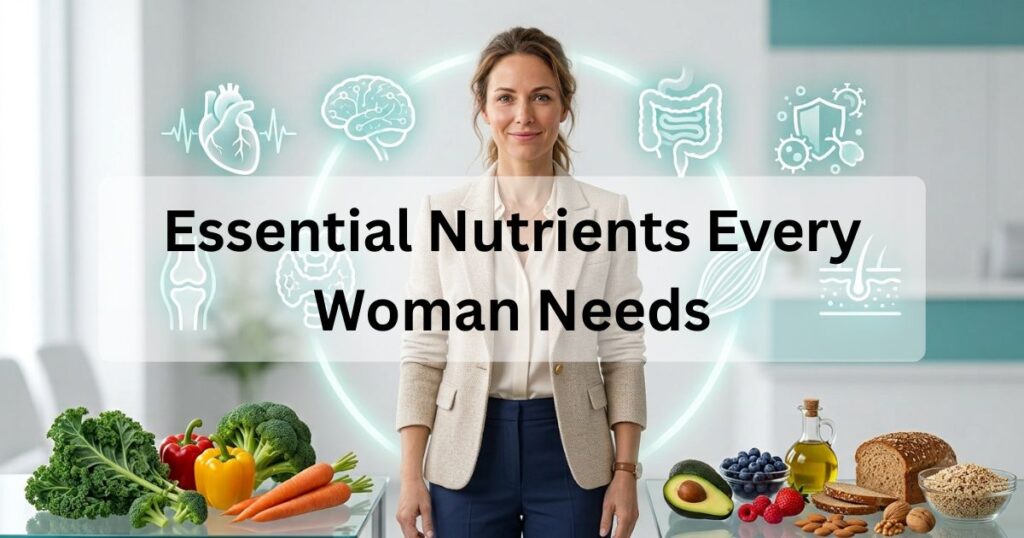
| Nutrient | Why It Matters | Best Food Sources |
| Iron | Supports oxygen transport and helps prevent iron-deficiency anemia | Spinach, lentils, lean meat, beans |
| Calcium | Maintains strong bones and teeth | Milk, yogurt, cheese, leafy greens |
| Vitamin D | Helps absorb calcium and supports immunity | Fatty fish, eggs, fortified dairy |
| Folate | Essential for healthy cell growth and pregnancy | Leafy greens, avocados, lentils |
| Omega-3 Fatty Acids | Supports heart and brain health | Salmon, sardines, walnuts, flaxseeds |
| Protein | Builds and repairs muscles and tissues | Eggs, fish, poultry, legumes, yogurt |
| Magnesium | Supports muscles, nerves, and energy production | Pumpkin seeds, almonds, spinach |
Foods to Limit
Healthy eating is about balance, not perfection. While it’s okay to enjoy treats occasionally, regularly consuming highly processed foods may affect overall health.
Try to limit:
- Sugary beverages
- Ultra-processed snacks
- Excess added sugar
- Trans fats
- Highly processed meats
- Foods high in sodium
Instead, focus on whole, minimally processed foods most of the time.
Sample One-Day Meal Plan for Women’s Health
Breakfast
Greek yogurt topped with blueberries, flaxseeds, chia seeds, and rolled oats.
Morning Snack
A small handful of almonds with an orange.
Lunch
Grilled salmon served with quinoa, roasted vegetables, and a spinach salad topped with avocado.
Afternoon Snack
Carrot sticks with hummus.
Dinner
Grilled chicken breast with roasted sweet potatoes and steamed broccoli.
Evening Snack (Optional)
A small square of dark chocolate with herbal tea.
This meal plan provides a healthy balance of protein, healthy fats, fiber, vitamins, and minerals to support overall wellness.
Healthy Lifestyle Habits That Support Women’s Health
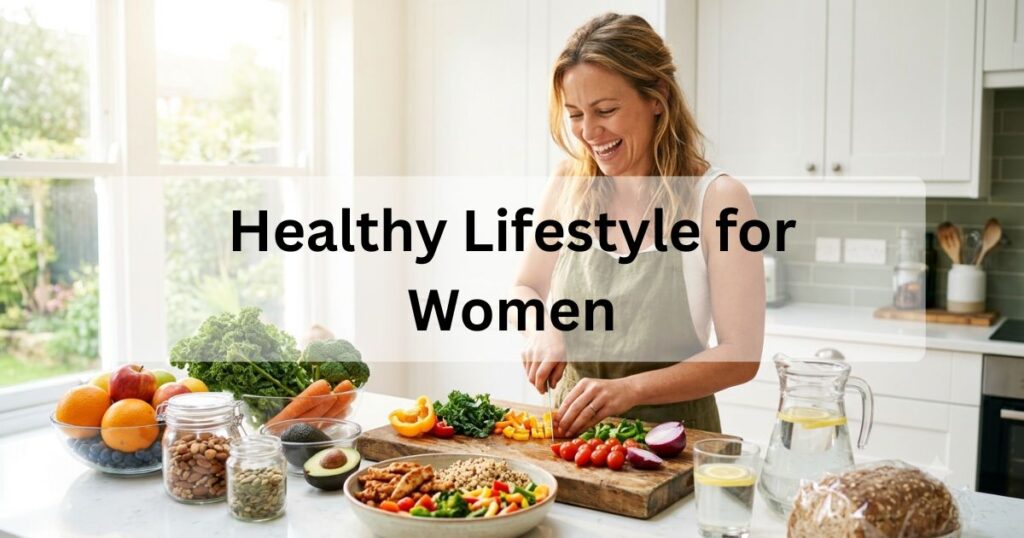
Good nutrition works best when paired with healthy daily habits.
Try to:
- Stay physically active most days of the week.
- Sleep 7–9 hours each night.
- Drink plenty of water.
- Manage stress through mindfulness, yoga, or meditation.
- Avoid smoking and limit alcohol intake.
- Schedule regular medical checkups and recommended health screenings.
Small, consistent habits often have a greater long-term impact than drastic lifestyle changes.
Frequently Asked Questions
What are the best foods for women’s hormonal health?
A balanced diet that includes healthy fats, lean protein, leafy greens, whole grains, berries, seeds, legumes, and fatty fish can support overall health and provide nutrients involved in normal hormone production. While some foods are popularly associated with hormone balance, no single food can directly “balance” hormones on its own.
Which foods are highest in iron for women?
Excellent iron-rich foods include spinach, lentils, beans, lean red meat, fortified cereals, pumpkin seeds, and tofu. Pair these foods with vitamin C-rich fruits like oranges to improve iron absorption.
What foods help strengthen bones?
Calcium-rich foods such as milk, yogurt, cheese, fortified plant-based milk, broccoli, kale, and vitamin D-rich foods like salmon and eggs help support healthy bones.
Is avocado good for women’s health?
Yes. Avocados provide healthy fats, fiber, potassium, folate, and vitamin E, making them a nutritious choice that supports heart health and overall wellness.
How much protein do women need?
Protein needs vary depending on age, activity level, and life stage. Most adults benefit from including a quality source of protein with each meal. Your healthcare provider or a registered dietitian can help determine your individual needs.
Final Thoughts
The best foods for women’s health are those that provide a wide variety of essential nutrients rather than relying on a single “superfood.” Filling your plate with colorful vegetables, fruits, whole grains, lean proteins, healthy fats, dairy or fortified alternatives, and legumes can help support your body through every stage of life.
Instead of chasing quick fixes, focus on building sustainable eating habits that nourish your body consistently. Small daily choices—such as adding more leafy greens, choosing whole grains, eating fatty fish, including seeds, and staying hydrated—can have a lasting positive impact on your overall health.
Remember that every woman has unique nutritional needs based on factors such as age, activity level, pregnancy, menopause, and medical conditions. If you have specific health concerns or dietary requirements, consult a registered dietitian or healthcare professional for personalized advice.
By combining a balanced diet with regular exercise, quality sleep, stress management, and preventive healthcare, you can build a strong foundation for lifelong health, energy, and vitality.
References
- World Health Organization (WHO). Healthy Diet. https://www.who.int/news-room/fact-sheets/detail/healthy-diet
- Office on Women’s Health (U.S. Department of Health & Human Services). Healthy Eating. https://www.womenshealth.gov/healthy-eating
- American College of Obstetricians and Gynecologists (ACOG). Nutrition During Pregnancy and Beyond. https://www.acog.org/womens-health
- Harvard T.H. Chan School of Public Health. The Nutrition Source. https://www.hsph.harvard.edu/nutritionsource/
- U.S. Department of Agriculture (USDA). MyPlate. https://www.myplate.gov/
- National Institutes of Health (NIH) – Office of Dietary Supplements. https://ods.od.nih.gov/
- Academy of Nutrition and Dietetics. Women’s Health. https://www.eatright.org/
- Mayo Clinic. Women’s Health. https://www.mayoclinic.org/healthy-lifestyle/womens-health