Eating more fruits and vegetables is one of the simplest ways to improve the nutritional quality of your everyday diet. These foods provide vitamins, minerals, dietary fiber, water, and a wide variety of naturally occurring plant compounds.
From adding berries to breakfast to serving a colorful vegetable dish with dinner, small changes can make a meaningful difference to your overall eating pattern. The goal is not to eat only fruits and vegetables, but to make them a regular part of a balanced and varied diet.
1. Provides Essential Vitamins and Minerals
Fruits and vegetables contain many nutrients that the body needs for normal function.
Citrus fruits, strawberries, and peppers are good sources of vitamin C, while leafy greens provide nutrients such as folate and vitamin K. Foods such as bananas, potatoes, tomatoes, and leafy vegetables can also contribute potassium.
Because different fruits and vegetables contain different nutrients, eating a variety of colors and types is more beneficial than relying on just one or two foods.
2. Supports Healthy Digestion

Many fruits and vegetables are naturally rich in dietary fiber. Fiber supports normal bowel function and can help keep your digestive system working properly.
Apples, pears, berries, carrots, peas, broccoli, and beans are examples of fiber-containing foods that can easily be added to everyday meals.
If you are not used to eating much fiber, increase your intake gradually and drink enough fluids. A sudden large increase in fiber may cause temporary bloating or gas.
3. May Support Heart Health
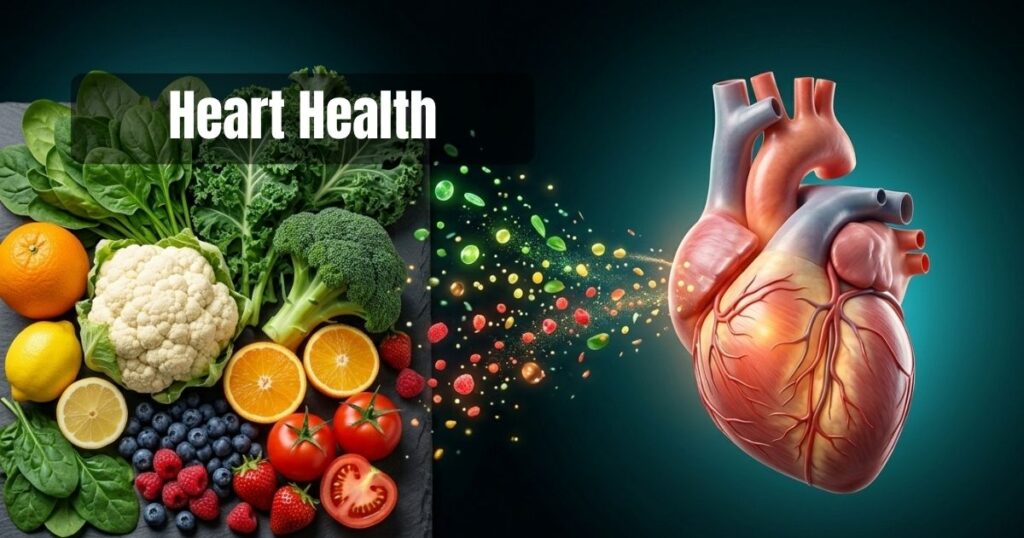
A diet rich in fruits and vegetables can be part of a heart-friendly eating pattern. These foods provide fiber, potassium, antioxidants, and other plant compounds that support overall cardiovascular health.
Leafy green vegetables such as spinach, kale, and lettuce, along with broccoli, cauliflower, cabbage, and citrus fruits, can all contribute to a varied diet.
The overall quality of your diet matters, so try to include fruits and vegetables while also limiting excessive amounts of foods high in saturated fat, added sugar, and sodium.
4. Can Help Support Healthy Blood Pressure
Potassium-rich fruits and vegetables can be useful as part of an eating pattern designed to support healthy blood pressure.
Research on dietary patterns that emphasize fruits and vegetables has found benefits for blood pressure, particularly when these foods are combined with other healthy choices.
However, fruits and vegetables should not be viewed as a replacement for prescribed treatment. People with high blood pressure should follow advice from their healthcare professional.
5. Helps With Healthy Weight Management
Fruits and vegetables can be useful when trying to maintain a healthy weight because many varieties provide water and fiber while being relatively low in calories.
Adding vegetables to rice, pasta, eggs, sandwiches, soups, or curries can increase the volume and nutritional value of a meal.
Whole fruits can also make convenient snacks. An apple, orange, pear, or handful of berries may be a more nutritious choice than many highly processed snack foods.
Healthy weight management, however, depends on your overall food intake, physical activity, sleep, and individual circumstances.
6. Provides Beneficial Plant Compounds
Fruits and vegetables contain naturally occurring plant compounds, including carotenoids, flavonoids, and other antioxidants.
These compounds are one reason variety is so important. Different fruits and vegetables contain different combinations of plant compounds.
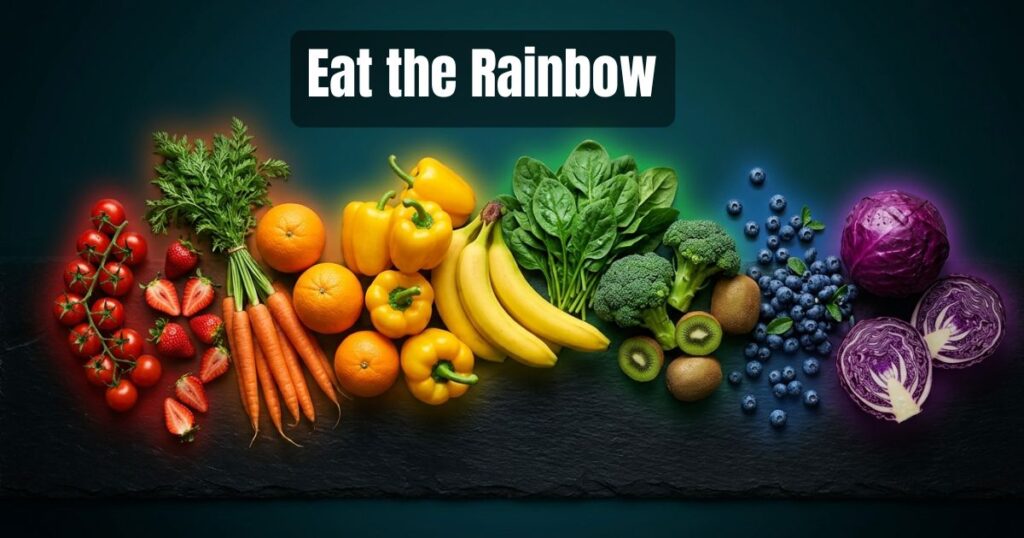
A simple way to increase variety is to include different colors throughout the week. Try leafy greens, red tomatoes, orange carrots, yellow peppers, purple cabbage, and a selection of colorful fruits.
7. Supports Eye Health
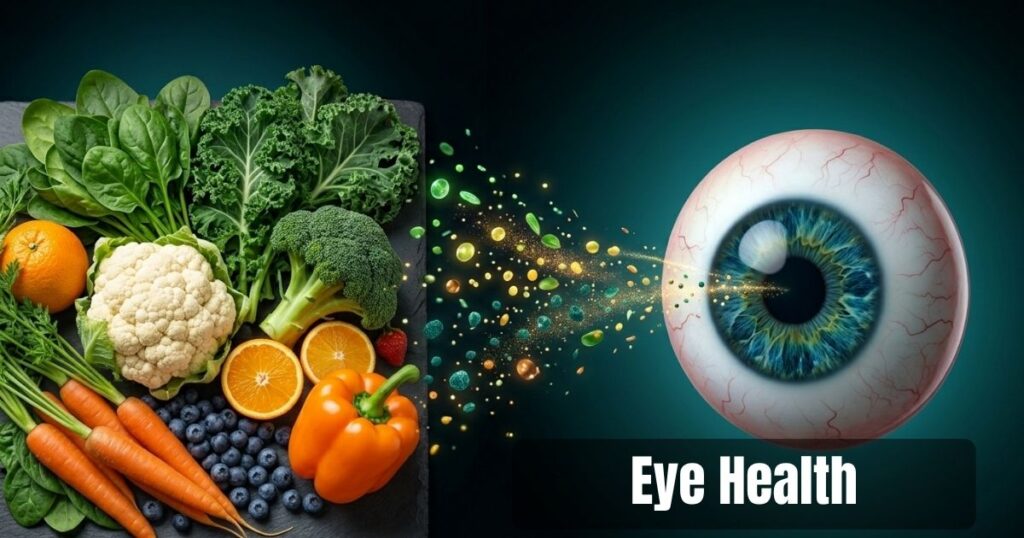
Some fruits and vegetables provide nutrients and plant compounds that are important for normal eye health.
Leafy green vegetables contain carotenoids such as lutein and zeaxanthin, while orange and yellow produce commonly contains carotenoids such as beta-carotene.
Including a variety of produce as part of an overall balanced diet can help provide nutrients associated with maintaining normal vision and eye health.
8. May Support Blood Sugar Management
Choosing whole fruits and vegetables can be a better approach than relying heavily on sugary drinks and highly processed foods.
Whole fruits contain naturally occurring sugars along with fiber and other nutrients. Vegetables, particularly non-starchy varieties, can also add volume and nutrients to meals without contributing large amounts of sugar.
Fruit juice is different from whole fruit because it is easier to consume in larger amounts and generally contains less fiber. For everyday eating, whole fruit is usually the more useful choice.
People with diabetes or other blood sugar concerns should consider their individual dietary needs and follow guidance from a qualified healthcare professional.
9. May Support Long-Term Health
Regularly eating a variety of fruits and vegetables is associated with healthier dietary patterns and may contribute to a lower risk of several chronic health conditions.
Their combination of fiber, vitamins, minerals, and plant compounds makes them an important part of a nutritious diet.
However, no single food can prevent disease on its own. Long-term health is influenced by the overall diet, physical activity, sleep, genetics, and other lifestyle factors.
10. Eating More Does Not Mean Eating Only Fruits and Vegetables
One important point is that increasing your fruit and vegetable intake does not mean eliminating other food groups.
A diet made up exclusively of fruits and vegetables may not provide enough protein, essential fats, vitamin B12, vitamin D, iron, calcium, and other nutrients depending on the foods selected.
A balanced eating pattern can include fruits and vegetables alongside appropriate sources of protein, whole grains, healthy fats, and other nutrient-rich foods.
If you are considering a strict vegan or highly restrictive diet, planning your nutrition carefully with a qualified healthcare professional or registered dietitian can help reduce the risk of nutrient deficiencies.
Easy Ways to Eat More Fruits and Vegetables
You do not need to completely change your meals. Try these simple habits:
- Add berries or a banana to breakfast.
- Keep washed fruit where you can easily see it.
- Add spinach, tomatoes, or peppers to eggs.
- Include a vegetable with lunch and dinner.
- Add chopped vegetables to soups, rice, pasta, or curries.
- Keep frozen vegetables available for quick meals.
- Choose whole fruit instead of juice more often.
- Try one new fruit or vegetable each week.
- Aim for different colors throughout the week.
Fresh produce is not your only option. Frozen and canned fruits and vegetables can also be convenient and nutritious. When buying canned products, check labels for added sugar or excessive sodium and choose lower-added options when available.
Final Thoughts
Eating more fruits and vegetables is a practical step toward a healthier and more varied diet. They provide essential nutrients, fiber, water, and beneficial plant compounds that support many aspects of normal body function.
You do not need to follow a strict diet or eat the same foods every day. Start with small, sustainable changes—add fruit to breakfast, include an extra serving of vegetables at dinner, or replace a highly processed snack with whole fruit.
Most importantly, remember that healthy eating is about balance and variety, not eliminating entire food groups. Making fruits and vegetables a regular part of your meals can help you build an eating pattern that is nutritious, enjoyable, and easier to maintain over time.
References
· World Health Organization (WHO) — Healthy Diet
WHO recommends at least 400 g of fruits and vegetables per day for people over age 10 and emphasizes variety and minimally processed foods.
WHO — Healthy Diet
· World Health Organization — Increasing Fruit and Vegetable Consumption
Useful for supporting the article’s statements about fruits and vegetables and chronic disease risk.
WHO — Increasing Fruit and Vegetable Consumption
· Harvard T.H. Chan School of Public Health — Vegetables and Fruits
This is particularly useful for your sections on heart health, blood pressure, weight management, eye health, digestion, and variety.
Harvard T.H. Chan School of Public Health — Vegetables and Fruits