
Looking for simple habits for sustainable weight loss? You don’t need strict diets or exhausting workouts to achieve lasting results. By making small, consistent lifestyle changes, you can lose weight naturally and build healthy habits that last.Have you ever followed a strict diet, lost a few kilograms, and then gained the weight back? You’re not alone.
Many weight-loss plans focus on quick results, but they often ignore the habits needed to maintain those results. Sustainable weight loss isn’t about starving yourself or following the latest diet trend—it’s about creating healthy routines you can stick with for life.
Small daily habits may not seem impressive at first, but over weeks and months they create lasting change. Choosing healthier foods, staying active, drinking enough water, sleeping well, and managing stress all work together to support a healthy weight.
The goal isn’t perfection. It’s consistency. Every healthy choice you make is a step toward a stronger, healthier version of yourself.
Why Sustainable Weight Loss Matters
Crash diets and extreme workout plans may produce fast results, but they’re often difficult to maintain. Once old habits return, the weight usually comes back too.
Sustainable weight loss focuses on gradual lifestyle changes that become part of your daily routine. Instead of cutting out your favorite foods or exercising for hours every day, you learn to make balanced choices that fit your lifestyle.
Benefits of sustainable weight loss include:
- Better energy throughout the day
- Improved heart and metabolic health
- Reduced risk of type 2 diabetes and other chronic diseases
- Better digestion and sleep quality
- Improved confidence and mental well-being
- Long-term weight maintenance
Remember, lasting success doesn’t come from one perfect week—it comes from healthy choices repeated consistently.
1. Eat More Protein to Stay Full Longer
Protein is one of the most important nutrients for healthy weight loss. It helps control hunger, keeps you feeling satisfied after meals, and supports muscle maintenance while you’re losing fat.
Aim to include a source of lean protein in every meal.
Healthy protein options include:
Eggs
- Chicken breast
- Fish
- Greek yogurt
- Cottage cheese
- Lentils
- Chickpeas
- Tofu
- Beans
Pairing protein with fiber-rich foods like vegetables or whole grains can help you stay full even longer.
Quick Tip: If you often feel hungry in the evening, make sure your breakfast or lunch contains enough protein. Eating balanced meals earlier in the day may help reduce cravings later without feeling deprived.
2. Drink More Water Every Day

Staying hydrated is one of the simplest habits you can build, yet it’s often overlooked. Mild dehydration can sometimes be mistaken for hunger, leading to unnecessary snacking.
Water also supports digestion, physical performance, and normal body functions.
Simple ways to drink more water:
- Start your day with one glass of water.
- Carry a reusable water bottle.
- Drink water before meals.
- Replace sugary drinks with water or unsweetened tea.
- Add lemon, cucumber, or mint for natural flavor.
Keeping your water bottle within easy reach makes hydration almost automatic and helps you meet your daily fluid needs.
3. Be Flexible with Your Eating Plan
One of the biggest mistakes people make is believing they have to eat perfectly every single day. In reality, birthdays, family dinners, holidays, and restaurant meals are all part of life.
Instead of giving up after one indulgent meal, think about your progress over the entire week. If you know you’re going out for dinner, you can balance your meals by choosing lighter, nutritious options earlier in the day or over the next day or two. This flexible approach allows you to enjoy special occasions without feeling guilty or believing you’ve “ruined” your diet.
Most importantly, don’t let one unhealthy meal turn into an unhealthy week. A single meal won’t determine your success—your daily habits over time will.
Consistency always beats perfection.
4. Practice Mindful Eating and Portion Control

What you eat is important, but how you eat matters just as much. Eating while watching TV, scrolling through your phone, or working at your desk can cause you to eat more than your body needs because you’re not paying attention to hunger and fullness signals.
Mindful eating encourages you to slow down, enjoy your meals, and recognize when you’re satisfied.
Simple mindful eating habits include:
- Eat without distractions.
- Chew your food thoroughly.
- Take smaller bites and eat slowly.
- Use smaller plates to help control portions.
- Stop eating when you feel comfortably full instead of overly stuffed.
If you feel like snacking between meals, don’t grab food immediately. First, drink a glass of water and wait 20–30 minutes. Often, the craving fades, helping you avoid unnecessary calories. This simple pause creates space between the urge to eat and the decision to eat, making mindful choices easier.
5. Stay Active Throughout the Day

Exercise doesn’t have to be intense to be effective. The key is finding activities you enjoy and staying consistent.
Aim for at least 150 minutes of moderate physical activity each week, along with strength training twice a week to help preserve muscle mass and support a healthy metabolism.
Great activities include:
- Walking
- Cycling
- Swimming
- Dancing
- Strength training
- Yoga
If you have a desk job or spend long hours sitting, add 5-minute walking breaks every hour. These short walks improve circulation, increase your daily step count, reduce stiffness, and help burn extra calories without requiring a separate workout session.
Remember, every step counts. Small bursts of movement throughout the day can have a big impact over time.
6. Prioritize Quality Sleep

Many people focus only on diet and exercise, but sleep is equally important for weight management. Poor sleep can increase hunger hormones, reduce energy levels, and make unhealthy foods more tempting.
Aim for 7–9 hours of quality sleep each night.
To improve your sleep:
- Go to bed and wake up at the same time every day.
- Avoid screens for at least 30–60 minutes before bed.
- Limit caffeine later in the day.
- Keep your bedroom cool, dark, and quiet.
A helpful strategy is to set a bedtime reminder on your phone. Just like a morning alarm reminds you to wake up, a bedtime alarm reminds you to wind down and prepare for restful sleep.
7. Manage Stress in Healthy Ways
Stress can affect your eating habits more than you realize. When you’re stressed, your body releases hormones that may increase cravings for sugary or high-calorie foods. Over time, emotional eating can make it harder to maintain a healthy weight.
Instead of turning to food for comfort, try healthier ways to manage stress:
- Practice deep breathing exercises.
- Go for a short walk outdoors.
- Spend time with family or friends.
- Listen to calming music.
- Write in a journal.
- Practice meditation or prayer.
- Make time for hobbies you enjoy.
Taking care of your mental health is just as important as taking care of your physical health. When stress is under control, it’s much easier to make healthy food choices and stay consistent with your weight-loss goals.
8. Choose Healthy Snacks and Limit Sugary Drinks
Sugary beverages and processed snacks can quickly increase your daily calorie intake without providing lasting fullness. Soft drinks, sweetened coffee, packaged juices, chips, and sugary treats are often high in calories but low in nutrients.
Instead, choose healthier options that keep you satisfied for longer, such as:
- Fresh fruits
- Greek yogurt
- Unsalted nuts (in moderation)
- Vegetable sticks with hummus
- Air-popped popcorn
- Boiled eggs
If you experience a sudden craving, pause before reaching for a snack. Drink a glass of water and wait for about 20–30 minutes. Many cravings disappear once your body is properly hydrated or your mind is distracted, making it easier to avoid unnecessary snacking.
9. Plan Your Meals Ahead of Time
Healthy eating becomes much easier when you plan ahead. Meal planning helps you avoid last-minute fast-food choices and makes it easier to maintain a balanced diet throughout the week.
Simple meal-planning tips include:
- Plan your meals before grocery shopping.
- Create a healthy shopping list.
- Prepare nutritious snacks in advance.
- Cook extra portions for busy days.
- Keep healthy foods visible and easy to grab.
Having nutritious meals ready reduces stress and helps you stay consistent, even on busy days.
10. Track Progress Beyond the Scale
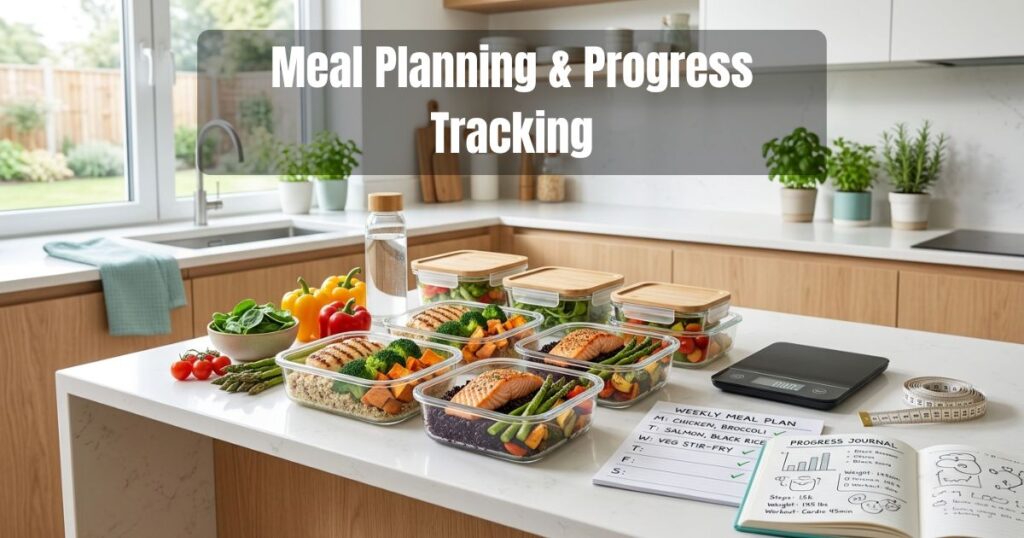
Many people become discouraged when the number on the scale doesn’t change every day. However, body weight naturally fluctuates because of water retention, meal timing, hormones, and physical activity.
Instead of focusing on daily changes, look at your overall progress.
You can track your success by monitoring:
- Weekly average body weight
- Body measurements
- Progress photos
- Energy levels
- Fitness performance
- How your clothes fit
Remember, healthy weight loss is measured over weeks and months—not from one day to the next. Celebrate every positive habit you build because those habits lead to lasting results.
Common Mistakes That Can Slow Your Progress
Even with the best intentions, some habits can make weight loss more difficult. Avoid these common mistakes:
- Following crash or fad diets.
- Skipping meals regularly.
- Drinking too many sugary beverages.
- Ignoring sleep and stress.
- Eating while distracted.
- Expecting immediate results.
Giving up after one unhealthy meal.
Weight loss isn’t about being perfect. It’s about making healthier choices consistently over time.
Frequently Asked Questions
1. What is the healthiest way to lose weight?
The healthiest approach combines balanced nutrition, regular physical activity, quality sleep, stress management, and consistent healthy habits.
2. Can I lose weight without going to the gym?
Yes. Walking, cycling, swimming, home workouts, and staying active throughout the day can all support healthy weight loss.
3. How much water should I drink each day?
Most adults benefit from around 2–3 liters of fluids daily, although individual needs vary depending on age, activity level, climate, and overall health.
4. How quickly should I lose weight?
A gradual weight loss of 0.5–1 kg (1–2 pounds) per week is generally considered safe and easier to maintain than rapid weight loss.
5. What’s the secret to sustainable weight loss?
There is no single secret. Long-term success comes from building healthy habits you can maintain, rather than relying on short-term diets or extreme exercise programs.
Final Thoughts
Sustainable weight loss isn’t achieved through one perfect meal or one intense workout. It’s the result of small, healthy decisions repeated every day.
By prioritizing protein, staying hydrated, eating mindfully, staying active, sleeping well, managing stress, planning meals, and tracking your progress, you can create a lifestyle that supports long-term health and lasting weight management.
Don’t try to change everything overnight. Start with one or two habits, stay consistent, and gradually build from there. Every healthy choice you make is an investment in your future, and over time, those small actions can lead to remarkable results.
Remember, the goal isn’t to be perfect—it’s to become healthier, one habit at a time.
References
- World Health Organization (WHO). Obesity and Overweight. https://www.who.int/news-room/fact-sheets/detail/obesity-and-overweight
- Centers for Disease Control and Prevention (CDC). Healthy Weight, Nutrition, and Physical Activity. https://www.cdc.gov/healthy-weight-growth/
- National Institute of Diabetes and Digestive and Kidney Diseases (NIDDK). Changing Habits for Better Health. https://www.niddk.nih.gov/health-information/weight-management
- Harvard T.H. Chan School of Public Health. The Nutrition Source: Healthy Weight. https://www.hsph.harvard.edu/nutritionsource/
- National Heart, Lung, and Blood Institute (NHLBI). Aim for a Healthy Weight. https://www.nhlbi.nih.gov/health/educational/lose_wt/
- Academy of Nutrition and Dietetics. Weight Management. https://www.eatright.org/health/weight-loss
- Mayo Clinic. Weight Loss: Choosing a Diet That Is Right for You. https://www.mayoclinic.org/healthy-lifestyle/weight-loss
- American Heart Association. Healthy Eating and Physical Activity. https://www.heart.org/